

Nightlife and Entertainment: Best Bars, Clubs, and Safe Nightlife in Kenya
May 17, 2026
Kenya Cuisine: Must-Try Traditional Foods and Dining Experiences
May 17, 2026Local Laws and Culture: Legal Status of Sex Work, Prostitution, and Cultural Sensitivities in Kenya
Traveling to Kenya is an incredible experience, but it requires an understanding of the local legal and cultural landscape. Kenya is a country where modern urban life intersects deeply with traditional African customs and religious values.
The laws here are strict regarding certain social behaviors, and what might be legal or tolerated in your home country could land you in a Kenyan prison. Here is a vital guide to the local laws regarding sex work, cultural sensitivities, and how to navigate your stay respectfully and legally.
The Legal Status of Sex Work (Prostitution) in Kenya
In Kenya, sex work (prostitution) is entirely illegal.
Under the Kenyan Penal Code, both the buying and selling of sexual services are criminal offenses. The law also strictly prohibits living off the earnings of sex work (pimping) and operating or frequenting brothels.
Risks for Tourists
Despite being illegal, sex work is visible in certain areas of Nairobi (such as Westlands and the Central Business District at night) and coastal towns like Mombasa. However, tourists should be extremely cautious:
- Arrest and Extortion: Undercover police frequently conduct sting operations. If caught soliciting, you will face arrest, hefty fines, and potential jail time. Furthermore, corrupt officials or organized groups may use the threat of arrest to extort large sums of money from tourists.
- Crime and Violence: Engaging with street-based sex workers in Kenya carries a high risk of violent crime. “Setups” are common, where a tourist is lured to a hotel or private area, only to be ambushed, robbed, and sometimes drugged by accomplices waiting in the room.
- Health Risks: Kenya has a significant HIV/AIDS prevalence rate. Engaging in unprotected sex with unknown partners carries severe health risks.
LGBTQ+ Laws in Kenya
This is a crucial piece of information for international travelers. Homosexuality is illegal in Kenya.
Under the Penal Code, “carnal knowledge against the order of nature” is a criminal offense punishable by up to 14 years in prison. While prosecutions of tourists are rare, the law is strictly on the books, and societal attitudes are overwhelmingly conservative.
- Public Displays of Affection: Even heterosexual public displays of affection (like kissing or heavy petting) are frowned upon in Kenyan culture and can draw unwanted attention or harassment from police. For same-sex couples, public displays of affection can lead to immediate arrest, harassment, or violent backlash from the public.
- Discretion is Mandatory: LGBTQ+ travelers should exercise extreme discretion, avoid disclosing their orientation to strangers, and be aware that hotel staff or locals may report suspected homosexual activity to the authorities.
Other Crucial Local Laws Tourists Must Know
The Plastic Bag Ban
Kenya enacted one of the strictest plastic bag bans in the world in 2017. It is illegal to carry, use, or manufacture plastic carrier bags.
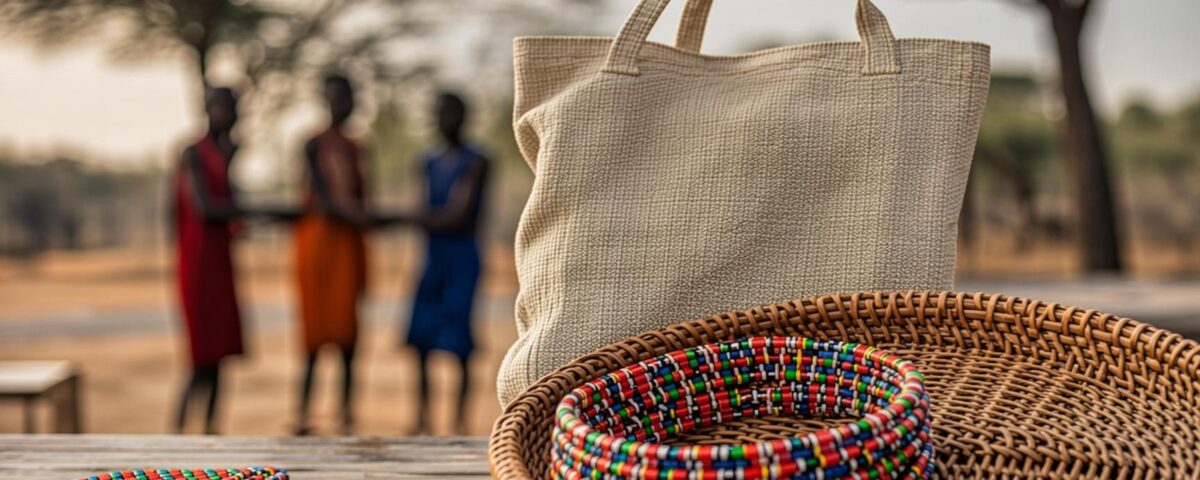
- The Risk: If you arrive at the airport with a plastic duty-free bag or plastic shopping bags in your luggage, they will be confiscated, and you could face heavy fines or even jail time. Use reusable canvas bags instead.
Drug Laws
The possession, use, or trafficking of illegal drugs (including cannabis/marijuana, locally known as bhang) is treated as a severe criminal offense. Penalties are harsh, and foreigners are not exempt from prosecution. Do not accept packages from strangers under any circumstances.
Photography Restrictions
Kenyans are generally warm and welcoming, but they are protective of their privacy.
- Ask Permission: Always ask for permission before taking close-up photos of local people, especially in rural areas, markets, and the Maasai villages. Some may ask for a small tip in exchange.
- Restricted Sites: It is strictly illegal to photograph the Kenyan President, military installations, police stations, border crossings, and the national flag. Your camera can be confiscated if you are caught doing this.
Cultural Sensitivities: How to Interact Respectfully
Understanding Kenyan culture will enhance your trip and help you build genuine connections with locals.
The Coastal Culture (Islamic Influence)
The Kenyan coast (Mombasa, Lamu, Malindi) has a predominantly Muslim population. When visiting these areas or the historic Old Towns:
- Dress Modestly: While it is acceptable to wear beachwear at your resort or on the beach, walking through the streets in swimsuits, short shorts, or revealing clothing is highly disrespectful. Cover your shoulders and knees when visiting towns and villages.
- Ramadan: If traveling during the holy month of Ramadan, be respectful of those fasting. Avoid eating, drinking, or smoking in public during daylight hours in Muslim-majority areas.
Greetings and Social Etiquette
- Handshakes: Handshakes are the standard greeting. It is considered polite to shake hands when greeting someone and when saying goodbye.
- Use Your Right Hand: In Kenyan culture, the left hand is traditionally reserved for unhygienic tasks. Always use your right hand (or both hands) to give or receive items, pay for goods, or eat.
- Respect for Elders: Age is deeply respected in Kenyan society. Always greet the oldest person in a group first, and offer them your seat on public transport.
By respecting the laws—especially regarding sex work and LGBTQ+ issues—and honoring local cultural norms, you will find Kenyans to be exceptionally hospitable, warm, and proud to share their beautiful country with you.