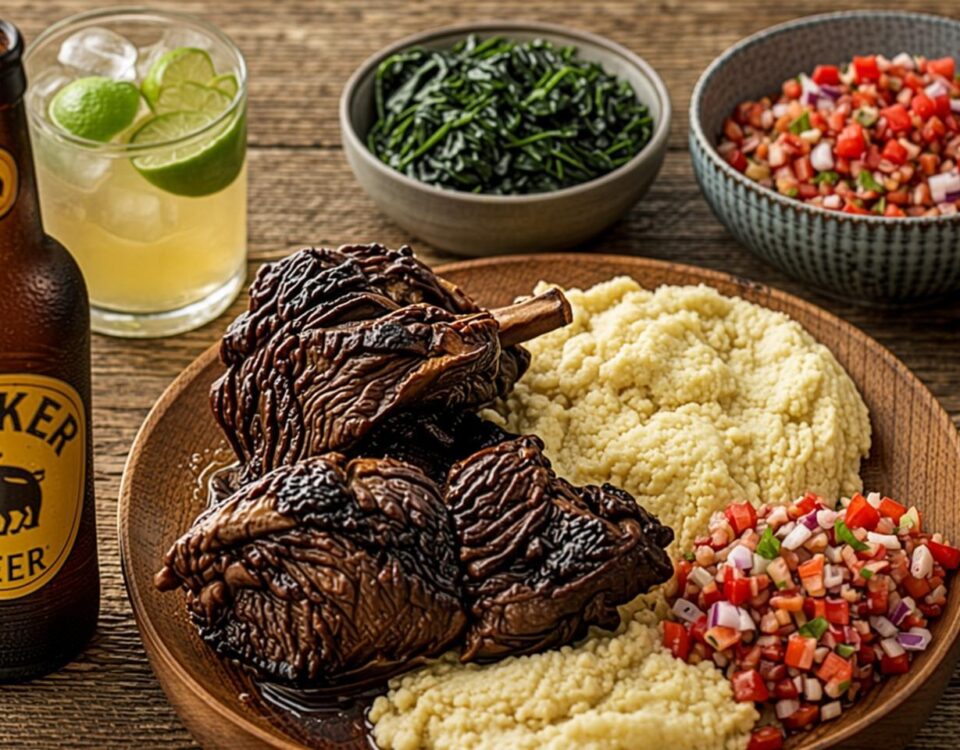
Kenya Cuisine: Must-Try Traditional Foods and Dining Experiences
May 17, 2026
Tanzania Travel Guide: Overview, Languages, and Religions
May 17, 2026
Kenya is a land of unparalleled beauty, but like any destination, it requires smart planning. Understanding the costs involved and how to navigate the local environment safely will ensure your dream safari or beach holiday doesn’t turn into a logistical nightmare.
From the high costs of park fees to the realities of urban crime, here is your essential guide to managing your budget and staying safe in Kenya.
Understanding the Budget: How Much Does Kenya Cost?
The local currency is the Kenyan Shilling (KES). Kenya can cater to both backpackers and luxury travelers, but the biggest variable in your budget will be the safaris.
Daily Budget Breakdown (Per Person)
1. Budget/Backpacker (Approx. 5,000 – 8,000 KES / $35 – $55 USD per day)
- Accommodation: Hostels or basic guesthouses (1,500 – 3,000 KES).
- Food: Local eateries (kibandas), street food like mutura, and self-catering (1,000 – 2,000 KES).
- Transport: Matatus and local buses.
- Note: This budget does not include private safaris. Budget travelers usually join group camping safaris to the Masai Mara, which cost around $150-$200 per day.
2. Mid-Range (Approx. 15,000 – 30,000 KES / $100 – $200 USD per day)
- Accommodation: Comfortable 3-star hotels or Airbnb (8,000 – 15,000 KES).
- Food: Sit-down restaurants, cafes, and hotel dining (3,000 – 6,000 KES).
- Transport: Uber/Bolt for city travel, SGR train for coast trips.
- Note: Mid-range lodge safaris typically cost between $250 – $400 per day.
3. Luxury (50,000+ KES / $350+ USD per day)
- Accommodation: 5-star hotels, boutique lodges, or luxury tented camps (which can be $500 – $1,500+ per night, including meals and game drives).
- Food: Fine dining.
- Transport: Domestic flights between parks, private guides.
Hidden Costs to Budget For
- Park Entry Fees: This is the biggest shock for many tourists. The Masai Mara charges $80 – $100 USD per person per 24 hours in conservation fees. This is in addition to your accommodation and vehicle hire.
- Visa/eTA: The Electronic Travel Authorization costs $30 USD.
- Tips: Tipping is expected. Budget for safari guides ($10-$20 per day), camp staff ($10-$15 per day in a tip box), and hotel porters ($1-$2).
Essential Safety Tips: Navigating Kenya
Kenya is generally safe for tourists, but it does have socio-economic challenges that lead to crime, particularly in urban centers. Awareness is your best defense.
Urban Safety (Nairobi, Mombasa)
- Never Walk at Night: This cannot be stressed enough. Even if your hotel is a short walk away, always take an Uber, Bolt, or a hotel shuttle after dark.
- Secure Your Valuables: Phone snatching is common in crowded areas (like the CBD or markets). Keep your phone out of sight when not in use, and avoid wearing flashy jewelry.
- ATM Safety: Only use ATMs inside bank lobbies, shopping malls, or well-lit, busy areas. Be cautious of anyone offering to “help” you at an ATM; this is a common scam to steal your card details or swap your card.
- Avoid Scams: Ignore overly friendly strangers who approach you on the street offering tours, cheap gems, or “student projects.” These are almost always hustles.
Driving Safety
- Carjackings: While rare for tourists, they do happen, particularly at night or at isolated intersections. Keep car doors locked and windows rolled up when driving through cities.
- Police Checkpoints: You will encounter many police roadblocks. Always carry your passport, eTA printout, and driving license. Never pay a “fine” directly to an officer in cash; insist on a legal ticket to pay at a station if you are accused of an offense.
- Road Conditions: Driving at night outside of major cities is extremely dangerous due to unlit roads, stray animals, and speeding trucks.
Safari Safety
- Stay in the Vehicle: Wild animals are unpredictable. Never step out of your vehicle in a national park unless you are at a designated picnic site or with an armed guide.
- Keep Windows Up: In parks known for baboons or primates, keep your windows rolled up. Baboons can be aggressive and will snatch food or bags from inside cars.
Health and Medical Tips
- Malaria: Malaria is present in Kenya, especially in the coastal and low-lying regions (including the Masai Mara). Consult your doctor about anti-malaria prophylactics before you travel, and bring strong mosquito repellent containing DEET.
- Drinking Water: Never drink tap water in Kenya. Always drink bottled water, which is cheap and widely available. Even when brushing your teeth, use bottled water.
- Travel Insurance: Comprehensive travel and medical insurance (including emergency evacuation) is absolutely mandatory. A medical evacuation from a remote safari lodge by air ambulance can cost tens of thousands of dollars.
Practical Travel Tips
- Bargaining: Haggling is expected in markets and with street vendors, but do so respectfully. In established shops, restaurants, and malls, prices are fixed.
- Electricity: Kenya uses the British-style three-pin plug (Type G). The voltage is 240V. Pack an adapter.
- Internet: Rely on your Safaricom SIM card for data, as public Wi-Fi is often unreliable outside of hotels.
By budgeting realistically—especially for those park fees—and staying alert to your surroundings, you can navigate Kenya with confidence and focus entirely on the breathtaking wildlife and warm hospitality that make this country so extraordinary.