Morocco Travel Guide: Overview, Languages, and Religions
May 18, 2026
جدہ ایئرپورٹ کے ٹرمینل 4 کا مرحلہ وار آپریشن شروع
September 28, 2026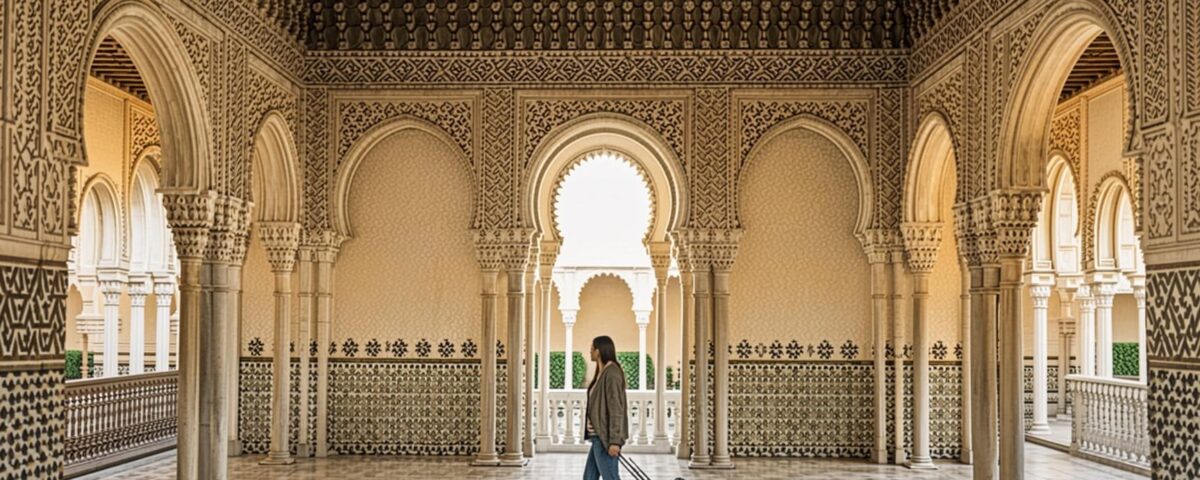
Arriving in Morocco is like stepping into a vibrant, sensory-rich dream. But before you can lose yourself in the winding alleys of the medinas or the vastness of the Sahara, you have to navigate the arrival process.
Morocco has several international airports, but choosing the right one to fly into can save you hours of travel time. Furthermore, understanding the local currency rules and transport systems will ensure your entry into the Kingdom is as smooth as Moroccan mint tea. Here is your comprehensive arrival guide.
The Main International Gateways
1. Mohammed V International Airport (CMN) – Casablanca
Located about 30 kilometers southeast of Casablanca, CMN is the busiest and largest airport in Morocco. It serves as the primary hub for Royal Air Maroc and the main entry point for long-haul international flights.
- Best For: Travelers doing business in Casablanca, or those who need to catch a domestic connecting flight to smaller cities like Oujda or Errachidia.
- The Vibe: Modern, large, and efficiently run.
2. Marrakech Menara Airport (RAK) – Marrakech
If your primary goal is tourism, shopping, and exploring the famous red city, flying directly into Marrakech is your best option. It handles a massive number of European low-cost and charter flights.
- Best For: Tourists heading straight to the medinas, the Atlas Mountains, or coastal towns like Essaouira.
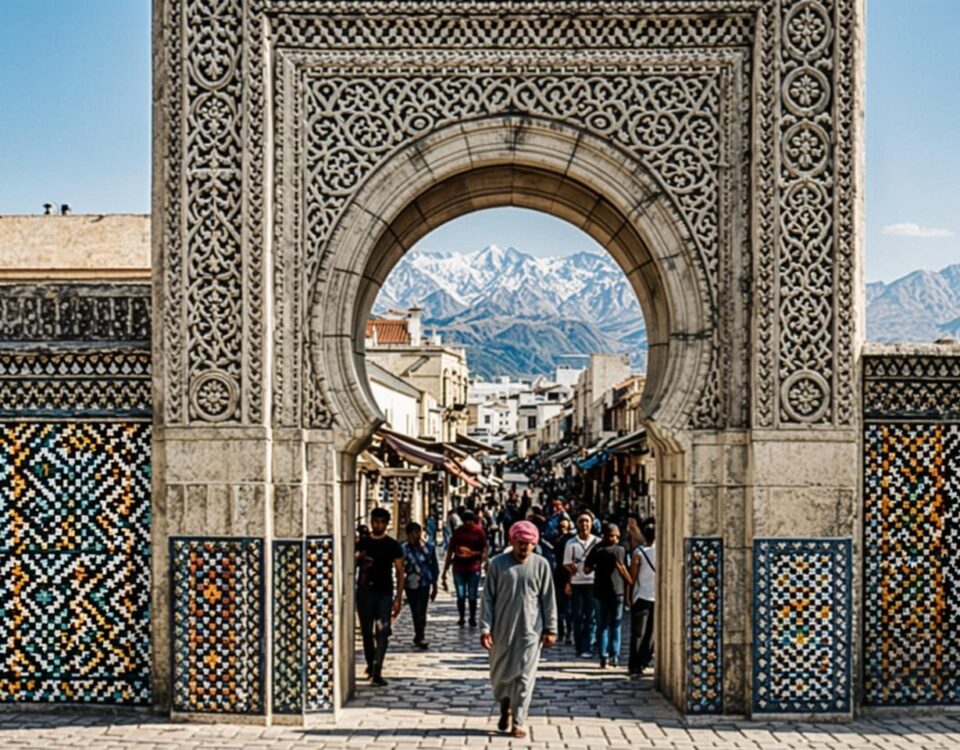
- The Vibe: Beautifully designed with traditional Moroccan architecture and zellige tiles, making you feel like you’ve arrived in a palace rather than an airport.
3. Fes-Saïss Airport (FEZ) – Fes
A smaller but increasingly popular airport, especially for travelers arriving from Europe on budget airlines.
- Best For: Travelers wanting to explore the spiritual and cultural capital of Fes, or heading north to Chefchaouen (the Blue City) and the Roman ruins of Volubilis.
4. Tangier Ibn Battouta Airport (TNG) – Tangier
Located in the far north, this airport is named after the famous Moroccan explorer.
- Best For: Travelers arriving from Spain (via short flights) or those wanting to explore the northern coast, Tetouan, and the Rif Mountains.
The Arrival Process: Visas and Passports
Morocco has a relatively relaxed visa policy for many Western nations, but rules must be strictly followed.
Visa Requirements
- Visa-Free Entry: Citizens of the USA, Canada, the UK, the EU, Australia, and many other countries do not require a visa for tourist stays of up to 90 days.
- Other Nationalities: Travelers from countries not on the visa-exempt list (including Pakistan, India, and South Africa) must apply for a tourist visa in advance at a Moroccan embassy or consulate.
- Important: Always check the latest visa requirements with official Moroccan diplomatic sources well before your travel date.
Passport and Entry Requirements
- Your passport must be valid for at least six months beyond your date of entry.
- You must have at least one blank page for the entry stamp.
- Proof of Accommodation: Immigration officials may ask for proof of your hotel booking or a notarized letter of invitation if you are staying with friends/family.
- Return Ticket: You may be asked to show an onward or return flight ticket.
Customs and Currency: The Dirham Rules
Understanding Morocco’s currency rules is crucial to avoid having your money confiscated at the airport.
The Moroccan Dirham (MAD)
The Moroccan Dirham is a closed currency, meaning it cannot be legally bought or sold outside of Morocco.
- Bringing Money In: You can bring foreign currency (Euros, USD, GBP) into Morocco without limit. However, if you carry the equivalent of 100,000 MAD (approx. $10,000 USD) or more, you must declare it upon arrival.
- Exchanging Money: It is highly recommended to exchange a small amount of foreign currency for Dirhams at the airport upon arrival (there are numerous exchange bureaus and ATMs in the arrivals halls) to pay for your taxi or train.
- Taking Money Out: It is illegal to take more than 2,000 MAD out of the country. If you have leftover Dirhams at the end of your trip, you must exchange them back to foreign currency before you pass through airport security, and you must show the original exchange receipt.
Getting from the Airport to Your Destination
From CMN (Casablanca) to the City Center:
- The Train: The easiest and most reliable way. The ONCF train station is located inside the airport (Terminal 1). Trains run every hour from early morning until late night, taking about 45 minutes to reach Casa Voyageurs station in the city center. You can also take a direct train from the airport to Rabat.
- Taxis: Cream-colored petite taxis are available outside the terminals. Ensure the driver uses the meter, or agree on a flat fare (which should be around 250-300 MAD) before getting in.
From RAK (Marrakech) to the Medina:
- Taxis: The taxi rank is located right outside the arrivals hall. A ride to the city center or the medina should cost between 70-150 MAD, depending on your exact location. Always agree on the price before you get into the taxi, as meters are rarely used from the airport.
- Airport Shuttle Bus: Bus 19 runs a regular route from the airport to the city center, the train station, and major hotels. It is much cheaper (around 30 MAD) but takes longer.
Ride-Hailing Apps in Morocco
Uber does not operate legally in Morocco (except for a limited, controversial service at Casablanca airport). However, Careem (owned by Uber) and InDrive are widely used in major cities. InDrive is particularly popular as it allows you to negotiate the fare directly with the driver before accepting the ride.
By knowing your airport, having your Dirham facts straight, and standing firm on taxi fares, your arrival in Morocco will be the start of an incredible adventure.