Safety and Budget: Essential Travel Tips and Costs for Tanzania
May 18, 2026
Navigating Morocco: Major Airports and Arrival Guide
June 4, 2026Morocco Travel Guide: Overview, Languages, and Religions
{"AIGC": {"Label": "1", "ContentProducer": "zhipu-maas", "ProduceID": "ze68308647h72ihpzusz3q", "ReservedCode1": "592ab955", "ContentPropagator": "zhipu-maas", "PropagateID": "ze68308647h72ihpzusz3q", "ReservedCode2": "592ab955"}}
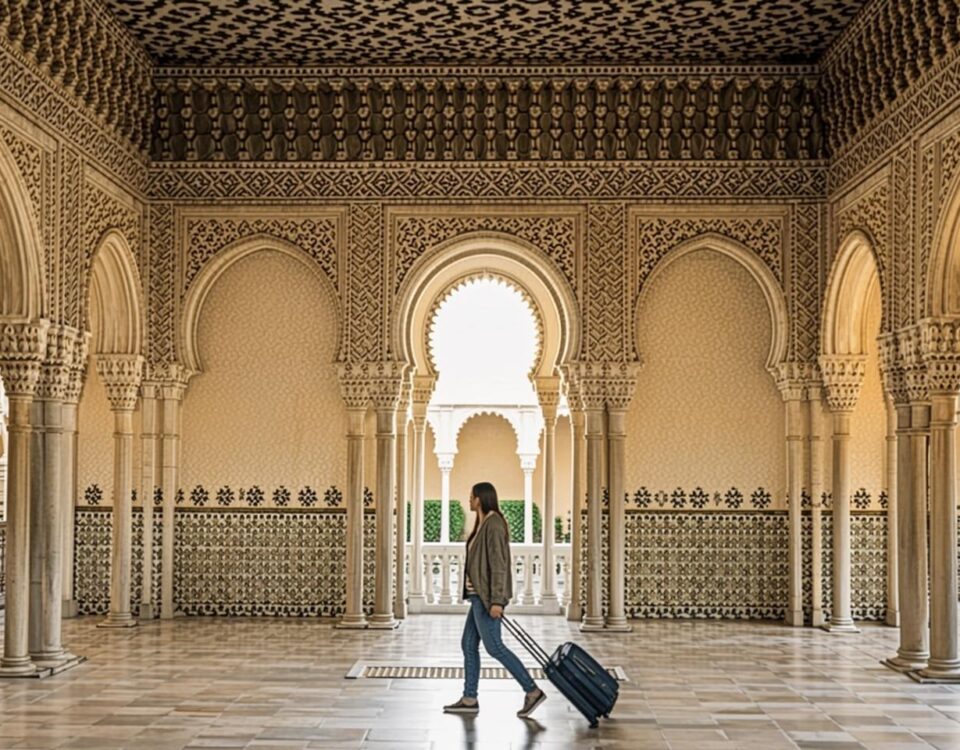
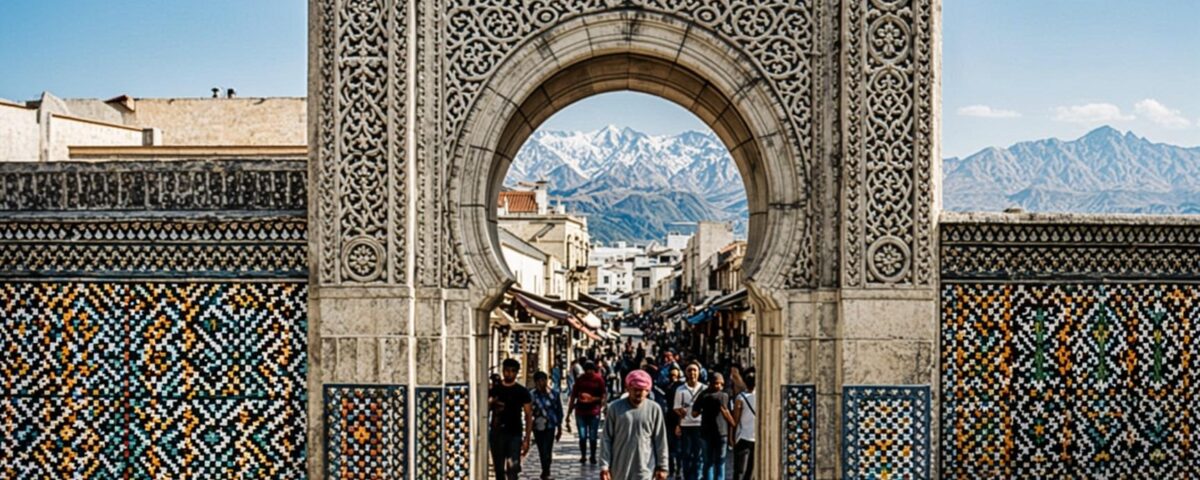
Step into Morocco, and you step into a world of sensory overload. The air is thick with the scent of spices and mint tea, the streets echo with the call to prayer and the hammering of coppersmiths, and the landscapes shift from the snow-capped Atlas Mountains to the endless sands of the Sahara.
Morocco is the crossroads of Africa, Europe, and the Middle East. It is a country that fiercely guards its ancient traditions while navigating the modern world. Understanding its cultural and social fabric before you arrive is the key to unlocking the true magic of the Kingdom.
An Overview of Morocco
Located in the Maghreb region of North Africa, Morocco is uniquely positioned. It boasts coastlines on both the Mediterranean Sea and the Atlantic Ocean, and it sits just a stone’s throw across the Strait of Gibraltar from Spain. This proximity to Europe has heavily influenced its history, making it a fascinating blend of African and European cultures.
- The Capitals: Rabat is the political capital, known for its elegant boulevards and historical sites. However, Marrakech is the cultural and tourist heart of the country, famous for its bustling medinas and vibrant energy. Casablanca is the economic engine, while Fes is the spiritual and intellectual center.
- The Landscape: Morocco is one of the most geographically diverse countries in Africa. You can ski in the High Atlas mountains, surf on the Atlantic coast, and ride camels through the Saharan dunes in the same week.
- The Monarchy: Morocco is a constitutional monarchy, and the King holds significant power. You will see portraits of the King everywhere—from hotels to cafes—and disrespecting the monarchy is both a cultural taboo and a legal offense.
The Linguistic Mosaic: A Blend of East and West
Morocco’s linguistic landscape is incredibly complex and fascinating. As a traveler, you will hear a dizzying array of languages on the streets.
The Official Languages
- Arabic: Modern Standard Arabic is the official language of government, media, and formal education. However, the Arabic spoken on the streets is Moroccan Darija, a distinct dialect heavily influenced by Amazigh, French, and Spanish. Darija is largely unintelligible to Arabic speakers from the Middle East.
- Amazigh (Berber): The indigenous people of North Africa, the Amazigh, have lived in Morocco for thousands of years. In 2011, Amazigh was recognized as an official language. You will see Tifinagh script (the ancient Amazigh alphabet) on road signs alongside Arabic and French.
The Languages of Commerce
- French: While not officially an “official” language, French is the undeniable language of business, higher education, and diplomacy. Most Moroccans in urban areas are bilingual in Darija and French. As a tourist, speaking French will get you very far, especially in restaurants, hotels, and taxis.
- Spanish: In the northern regions (like Tangier and Tetouan) and the Western Sahara, Spanish is widely spoken due to Spain’s historical presence in those areas.
- English: English is rapidly growing in popularity, especially among the youth and in the tourism sector. In major tourist hubs like Marrakech and Fes, you will have no problem communicating in English.
Essential Phrases in Darija:
- As-salamu alaykum – Peace be upon you (Hello)
- Shukran – Thank you
- La, shukran – No, thank you (The most vital phrase for navigating the medinas!)
- Bikhir? – How are you? (Informal)
The Religious Landscape: Islam and Coexistence
Religion permeates every aspect of Moroccan life, law, and culture.
Islam: The State Religion
Islam is the state religion of Morocco, and the King holds the title of “Amir al-Mu’minin” (Commander of the Faithful). The vast majority of Moroccans are Sunni Muslims, following the Maliki school of Islamic jurispravity.
- The Call to Prayer: Five times a day, the melodious call to prayer echoes from minarets across the country, dictating the rhythm of daily life.
- Ramadan: The holy month of Ramadan is strictly observed. During this time, Muslims fast from sunrise to sunset. As a tourist, you are not expected to fast, but it is highly disrespectful to eat, drink, or smoke in public during daylight hours.
A History of Religious Tolerance
While Morocco is overwhelmingly Muslim, its constitution guarantees freedom of worship, and the country has a long history of religious coexistence.
- Judaism: Morocco was once home to the largest Jewish population in the Arab world. While many emigrated to Israel in the mid-20th century, a small, vibrant community remains. You can visit beautifully preserved synagogues and Jewish quarters (Mellahs) in cities like Marrakech, Fes, and Casablanca.
- Christianity: There is a small community of Christian expatriates, mostly Catholic and Protestant, and you will find historic churches, particularly in Casablanca and Rabat.
Respectful Travel
Because Islam is so deeply ingrained in the culture, modest dress is expected, especially for women. While Marrakech is more relaxed, visiting rural areas, mosques, or sacred sites requires covering your shoulders and knees.
Understanding the deep interplay of Morocco’s languages and its devout Islamic faith is the first step to traveling respectfully. When you greet a local in Darija or respect the quiet of a neighborhood during prayer, you will find the doors of Moroccan hospitality wide open.