Nightlife and Entertainment: Best Bars, Clubs, and Safe Nightlife in Tanzania
May 18, 2026
Tanzania Cuisine: Must-Try Traditional Foods and Dining Experiences
May 18, 2026Local Laws and Culture: Legal Status of Sex Work, Prostitution, and Cultural Sensitivities in Tanzania
Traveling to Tanzania requires more than just packing safari clothes; it demands a deep respect for its legal boundaries and cultural norms. Tanzania is a conservative country where traditional African values, religious beliefs, and strict laws intersect.
The legal and cultural landscape shifts dramatically depending on whether you are on the mainland (Dar es Salaam, Arusha, Serengeti) or in the Zanzibar Archipelago. Ignorance of these laws is not a valid defense and can result in deportation, heavy fines, or imprisonment. Here is what every traveler must know.
The Legal Status of Sex Work (Prostitution) in Tanzania
In Tanzania, sex work (prostitution) is strictly illegal.
Under the Tanzanian Penal Code, both the buying and selling of sexual services are criminal offenses. The law also prohibits living off the earnings of sex work (pimping) and operating brothels.
Risks for Tourists
Despite being illegal, sex work is visible in certain areas, particularly in major urban centers like Dar es Salaam, Arusha, and around some beach resorts. However, tourists face severe risks if they engage:
- Arrest and Extortion: Police frequently conduct raids and sting operations. If caught, you will face legal prosecution. Furthermore, corrupt officials or organized crime rings often use the threat of arrest to extort large sums of money from foreign tourists.
- Crime and “Setups”: It is common for tourists to be lured to a hotel room or apartment, only to be ambushed and robbed by accomplices of the sex worker. Drugging drinks to facilitate robbery is also a reported risk.
- Health Risks: Tanzania has a significant HIV/AIDS prevalence rate. Engaging with sex workers carries severe health implications.
LGBTQ+ Laws in Tanzania
This is an absolutely critical issue for international travelers. Homosexuality is illegal in Tanzania.
The Penal Code criminalizes “carnal knowledge against the order of nature,” with penalties ranging from 30 years to life imprisonment. While the law is not always enforced against tourists with the same severity as locals, the environment is deeply hostile.
- Public Displays of Affection (PDA): Even heterosexual couples should avoid overt public displays of affection (like kissing or heavy petting), as it is considered culturally disrespectful. For same-sex couples, any public display of affection can lead to immediate arrest, harassment by locals, or violent attacks.
- Government Stance: In recent years, the Tanzanian government has made public statements promising to hunt down and arrest LGBTQ+ individuals. Discretion is not just advised; it is mandatory for your safety. Do not disclose your orientation to strangers or hotel staff.
Zanzibar’s Islamic Culture: A Different Set of Rules
The Zanzibar Archipelago is 95% Muslim, and the local government enforces laws based on Islamic principles. This creates a stark contrast to the mainland.
- Alcohol: Alcohol is available in licensed hotels, resorts, and tourist bars, but public drunkenness is highly offensive and can lead to arrest. Drinking alcohol in public spaces (like the beach in front of locals) is strictly prohibited.
- Ramadan: If you are visiting Zanzibar during the holy month of Ramadan, do not eat, drink, or smoke in public during daylight hours out of respect for those fasting. Your hotel will likely screen off dining areas.
- Dress Code: While it is acceptable to wear swimwear at your resort, walking through Stone Town, local villages, or markets in shorts, miniskirts, or sleeveless tops is deeply disrespectful. Both men and women should ensure their shoulders and knees are covered when outside tourist enclaves.
Other Crucial Local Laws Tourists Must Know
The Absolute Ban on Plastic Bags
Tanzania has a zero-tolerance policy on plastic bags. This is not just an environmental suggestion; it is a heavily enforced law.
- At the Airport: Customs officials will thoroughly search your luggage upon arrival. Any plastic carrier bags will be confiscated. You can be fined on the spot if you try to smuggle them in.
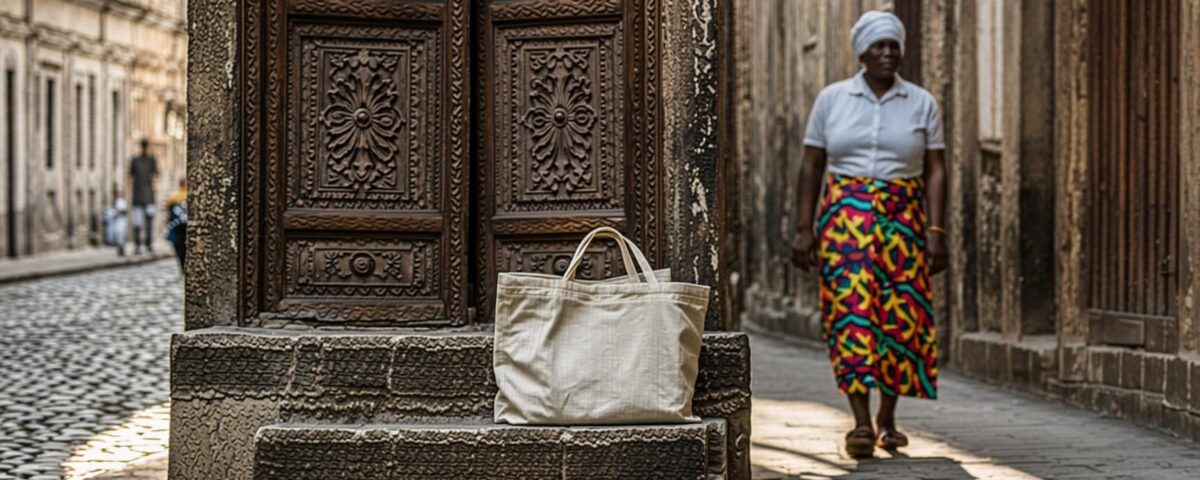
- Packing Tip: Pack your belongings in reusable canvas bags, packing cubes, or zip-lock bags (zip-locks for toiletries are usually tolerated at customs, but loose plastic shopping bags are not).
Drug Laws
Tanzania has some of the harshest drug laws in Africa. The possession, use, or trafficking of illegal drugs (including cannabis/marijuana) is a serious criminal offense. Do not accept packages from strangers, and avoid any involvement with local drug markets.
Photography Restrictions
Kenyans and Tanzanians are protective of their image.
- Ask Permission: Always ask before taking close-up photos of local people, especially the Maasai. Some may ask for a small tip.
- Restricted Areas: It is illegal to photograph military installations, police stations, government buildings, airports, and the Tanzanian President. If in doubt, do not take the picture.
Understanding and respecting these laws and cultural sensitivities is the price of admission to Tanzania. When you respect their way of life, Tanzanians are among the most warm, generous, and welcoming people you will ever meet.