
Local Laws and Culture: Legal Status of Sex Work, Prostitution, and Cultural Sensitivities in Tanzania
May 18, 2026
Safety and Budget: Essential Travel Tips and Costs for Tanzania
May 18, 2026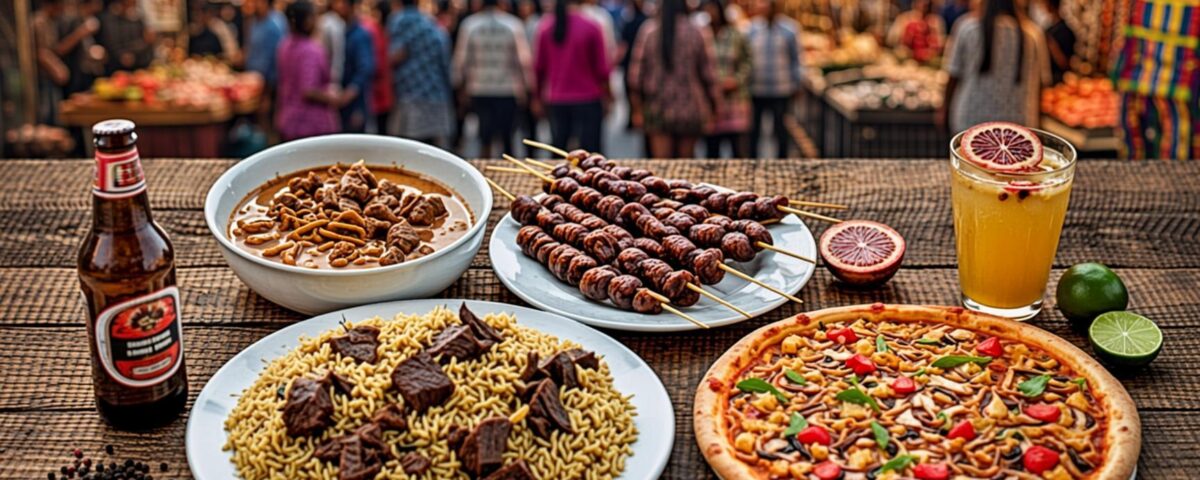
A journey through Tanzania is as much a feast for the palate as it is for the eyes. The country’s culinary landscape is a vibrant reflection of its geography and history—a blend of hearty inland agricultural traditions and the aromatic, spice-laden coastal influences of the Swahili and Indian traders.
Whether you are eating a simple plate of beans and maize at a local roadside stop or savoring a rich coconut curry in Stone Town, Tanzanian cuisine is all about community, freshness, and bold flavors. Here is your guide to the must-try foods and dining experiences.
The Mainland Staples: Hearty and Filling
The backbone of Tanzanian mainland cuisine revolves around starches and roasted meats, designed to provide sustained energy for the day.
Ugali and Nyama Choma
Just like in Kenya, Ugali is the national staple—a dense, dough-like maize flour porridge. It is the ultimate accompaniment to Nyama Choma (roasted meat), which is usually goat, beef, or chicken slow-roasted over charcoal.
- How to eat it: Tanzanians eat Ugali with their right hand. You pull off a piece, roll it into a ball, make a thumbprint, and use it to scoop up the meat and its rich gravy.
Mishkaki
If there is one street food you must try on the mainland, it is Mishkaki. These are skewers of marinated beef or goat, grilled over open coals until slightly charred and tender. Heavily influenced by Indian and Middle Eastern kebabs, Tanzanian mishkaki is often marinated in a spicy, tangy sauce. You will find vendors selling them at night in Dar es Salaam and Arusha, served with a side of salt, chili, and a squeeze of fresh lime.
Chipsi Mayai
The ultimate Tanzanian comfort food and a staple of local eateries, Chipsi Mayai translates to “chips and eggs.” It is essentially a French fry omelet. The fried potatoes are folded into beaten eggs and cooked until golden. It is cheap, incredibly filling, and usually served with a fresh kachumbari salad (tomatoes, onions, and chili) and a dollop of pilipili (hot sauce).
Coastal Flavors: The Swahili Kitchen
When you reach the coast or Zanzibar, the cuisine shifts dramatically. Thanks to centuries of spice trade, Swahili food is fragrant, coconut-rich, and deeply complex.
Swahili Pilau and Biryani
Pilau is a celebratory dish of rice cooked in a rich broth with meat, garlic, ginger, and a whole symphony of whole spices—cardamom, cloves, cinnamon, and cumin. Biryani is a similarly spiced rice dish but with a heavier Indian influence, often featuring a separate meat curry served on top. Both are aromatic and unforgettable.
Samaki wa Kupaka (Coconut Fish Curry)
Fresh catch from the Indian Ocean—usually snapper, kingfish, or tuna—is marinated in lime and spices, grilled over charcoal, and then generously smothered in a thick, creamy, and spicy coconut sauce. It is best enjoyed with Wali (boiled rice) or Chapati (flatbread).
Octopus Curry
A specialty of Zanzibar, tenderized octopus is slow-cooked in a rich, spicy coconut and tomato gravy. The key to a good octopus curry is cooking it for hours until the meat is melt-in-the-mouth tender.
Street Food and Snacks: The Night Markets
Tanzania’s street food scene is lively, especially in the evenings.
Zanzibar Pizza
Do not confuse this with Italian pizza. Found mainly at the Forodhani Gardens night market in Stone Town, Zanzibar pizza is a thin, crepe-like dough filled with your choice of minced meat, egg, onions, and cheese (or bananas and chocolate for dessert). It is folded into a square and pan-fried until crispy and gooey.
Mandazi and Kashata
- Mandazi: Slightly sweet, triangular deep-fried doughnuts, often flavored with coconut milk and cardamom. They are the perfect breakfast or afternoon snack with a cup of chai.
- Kashata: A sweet, brittle candy made from peanuts and coconut, bound with caramelized sugar. It is intensely sweet and gives you a quick energy boost on a long safari drive.
Iconic Tanzanian Drinks
Kilimanjaro, Serengeti, and Safari Lagers
Tanzania takes its beer seriously. The three iconic local lagers—Kilimanjaro, Serengeti, and Safari—are a cold, refreshing reward after a hot day of wildlife viewing. Kilimanjaro is the lightest, Serengeti is slightly maltier, and Safari is the strongest.
Fresh Sugarcane and Passion Fruit Juice
On the streets of Dar es Salaam and Zanzibar, you will find vendors with small machines pressing fresh sugarcane stalks into a sweet, vibrant green juice, often spiked with ginger and lime. Similarly, Tanzania grows incredible passion fruit; a glass of fresh passion fruit juice with breakfast is a tropical delight.
The Dining Experience: Forodhani Gardens
The most iconic dining experience in Tanzania is the Forodhani Gardens Night Market in Zanzibar. Every evening, the waterfront park transforms into a massive, open-air food court. Locals and tourists gather around wooden tables to feast on fresh grilled seafood, Zanzibar pizzas, sugarcane juice, and spice teas. It is loud, chaotic, and the best place to taste the true flavors of the island in one sitting.
From the smoky street skewers of Arusha to the coconut curries of the coast, eating your way through Tanzania is an adventure in itself. Come hungry, eat with your hands, and savor every bite.