Tanzania Cuisine: Must-Try Traditional Foods and Dining Experiences
May 18, 2026
Morocco Travel Guide: Overview, Languages, and Religions
May 18, 2026
Tanzania is the ultimate dream destination for many travelers, but a dream safari requires realistic financial planning and a smart approach to personal safety. The country operates on two completely different financial planes: affordable everyday living on the mainland and highly expensive luxury tourism in the national parks.
Furthermore, navigating Tanzania’s cities and wilderness requires awareness. Here is your essential guide to managing your budget and staying safe in Tanzania.
Understanding the Budget: How Much Does Tanzania Cost?
The local currency is the Tanzanian Shilling (TZS). For international travelers, the cost of living in Tanzanian cities is quite low, but the moment you step into a safari vehicle or onto a Zanzibar resort, the prices skyrocket to international luxury rates.
Daily Budget Breakdown (Per Person)
1. Budget/Backpacker (Approx. 30,000 – 50,000 TZS / $12 – $20 USD per day)
- Accommodation: Hostels or basic guesthouses (15,000 – 25,000 TZS).
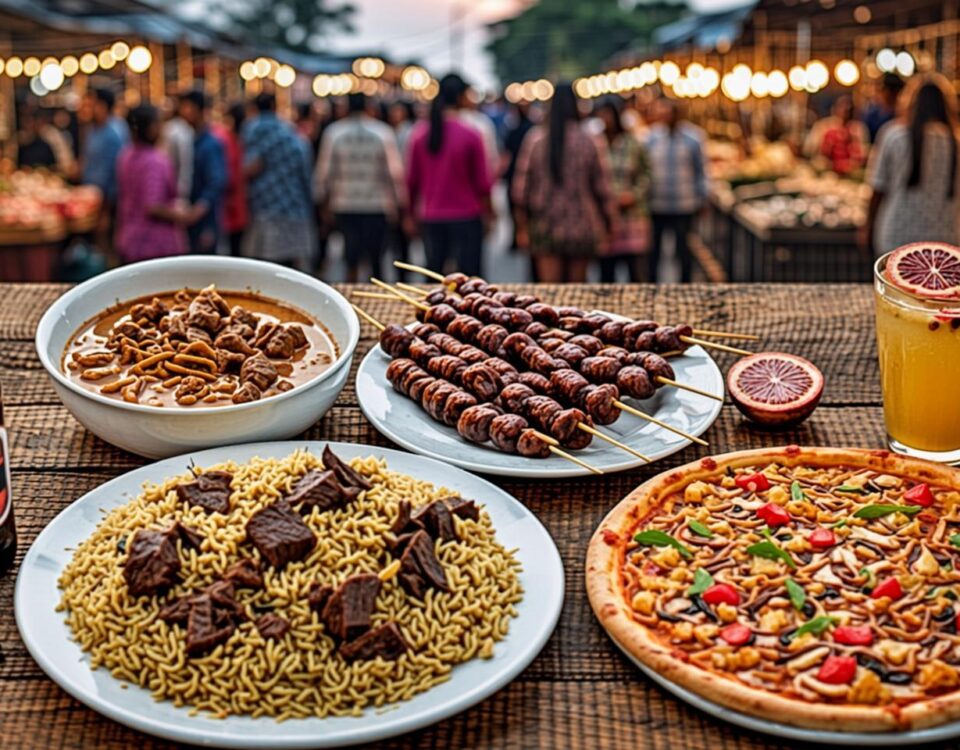
- Food: Local street food, mishkaki, and family-run eateries (10,000 – 20,000 TZS).
- Transport: Daladalas (local minibuses) and shared taxis.
- Note: This budget does not include safaris. Budget travelers usually join large group camping safaris to afford park fees.
2. Mid-Range (Approx. 150,000 – 300,000 TZS / $60 – $125 USD per day)
- Accommodation: 3-star hotels or mid-range Airbnbs (80,000 – 150,000 TZS).
- Food: Sit-down restaurants and hotel dining (40,000 – 80,000 TZS).
- Transport: Private taxis, Uber/Bolt, or domestic flights.
- Note: Mid-range lodge safaris typically cost between $250 – $450 per day.
3. Luxury ($400 – $1,500+ USD per day)
- Accommodation: 5-star beach resorts or luxury tented safari camps (which can range from $500 to over $1,000 per night, inclusive of meals and game drives).
- Transport: Domestic charter flights between parks, private guides.
The Hidden Costs: Safari Park Fees
Do not be caught off guard by conservation fees. They are mandatory and expensive:
- Serengeti National Park: Approx. $83 USD per person, per 24-hour period.
- Ngorongoro Crater: Approx. $70 USD per person, per 24-hour period, PLUS a $295 USD vehicle fee per descent into the crater (split among passengers).
- Visas: $50 USD for most nationalities ($100 for US citizens).
Essential Safety Tips: Navigating Tanzania
Tanzania is generally safe for tourists, but the socio-economic disparities mean crime exists, particularly in urban centers.
Urban Safety (Dar es Salaam, Arusha)
- Never Walk at Night: This is the most critical rule. Even if your hotel is a short distance away, walking after dark in cities makes you a target for muggings. Always use Uber, Bolt, or a hotel-arranged taxi.
- Secure Your Valuables: Phone snatching is common in crowded markets and bus stations. Keep your phone out of sight on the street and avoid wearing expensive jewelry.
- ATM Safety: Only use ATMs inside bank lobbies or secure shopping malls. Beware of anyone offering to “help” you with the machine; they are trying to skim your card or swap it.
- Hustlers and Touts: In Arusha and Zanzibar, you will be approached constantly by “brokers” selling safaris, tours, or souvenirs. Be polite but firm. Do not engage in long conversations if you are not interested, as they will expect a commission or tip for their “time.”
Safari and Wilderness Safety
- Stay in the Vehicle: Wild animals are unpredictable. Never step out of your safari vehicle in a national park unless you are at a designated, safe picnic site or with an armed ranger.
- Keep Windows Up: Baboons are notorious for jumping into cars to steal food. Keep doors locked and windows rolled up when near primates.
- Listen to Your Guide: Your guide is trained to read animal behavior. If they tell you to sit down or be quiet, do it immediately.
Zanzibar and Coastal Safety
- Respectful Dress: Zanzibar is a conservative Muslim society. Dress modestly when leaving the beach resort.
- Beach Boys: The beaches of Nungwi and Paje have many informal vendors (beach boys) selling trips, shells, or drugs. Buying from them can lead to scams or police extortion. Book tours through your hotel.
- Swimming: Only swim at beaches with lifeguards, as the Indian Ocean has strong rip currents.
Health and Medical Tips
- Malaria: Malaria is a serious risk in Tanzania, especially during the rainy seasons. Consult your doctor about anti-malaria pills, sleep under mosquito nets, and use insect repellent containing DEET.
- Drink Only Bottled Water: Never drink tap water. Always buy sealed bottled water, even for brushing your teeth.
- Travel Insurance: Comprehensive travel and medical insurance (including emergency medical evacuation) is mandatory. If you fall ill or are injured on the Serengeti, the only way out is an expensive air ambulance.
Practical Travel Tips
- Tipping: Tipping is an essential part of the tourism economy. Budget for it. Safari guides usually receive $15-$20 per day, and camp staff share a communal tip box (usually $10-$15 per day per guest).
- Bargaining: Haggling is expected in markets and for taxis. Negotiate with a smile, but remember that fighting over 50 cents might mean more to the local vendor than to you.
- Power Outages: Load shedding and power cuts are common. Always carry a high-capacity power bank and a flashlight.
- Left-Hand Driving: If you rent a car, remember you drive on the left side of the road in Tanzania.
By budgeting realistically for those hefty park fees and staying alert in urban areas, you can experience the magic of Tanzania—from the Serengeti to Zanzibar—safely and without breaking the bank.