
Safety and Budget: Essential Travel Tips and Costs for Kenya
May 17, 2026
Navigating Tanzania: Major Airports and Arrival Guide
May 17, 2026Tanzania Travel Guide: Overview, Languages, and Religions
{"AIGC": {"Label": "1", "ContentProducer": "zhipu-maas", "ProduceID": "qis516uf8ekg2zgitr", "ReservedCode1": "73b2214b", "ContentPropagator": "zhipu-maas", "PropagateID": "qis516uf8ekg2zgitr", "ReservedCode2": "73b2214b"}}
Tanzania is the crown jewel of East Africa. It is a land of superlatives: home to the highest peak on the continent, the largest wildlife migration on Earth, and some of the most pristine tropical islands in the Indian Ocean.
From the snow-capped summit of Mount Kilimanjaro to the sun-drenched shores of Zanzibar, Tanzania offers an adventure that is both profoundly wild and deeply cultural. Before you embark on a safari or beach retreat, understanding the country’s social fabric will deeply enhance your experience.
An Overview of Tanzania
Tanzania is a massive country located just south of the equator. It shares borders with Kenya, Uganda, Mozambique, Malawi, Zambia, and the Democratic Republic of the Congo, and it boasts a long, stunning coastline along the Indian Ocean.
- A Unique Union: Tanzania was formed in 1964 by the political union of the mainland (Tanganyika) and the offshore archipelago of Zanzibar. This union created a nation of incredible geographic and cultural diversity.
- The Capitals: Tanzania has two capitals. Dodoma is the official political capital where the parliament sits. However, Dar es Salaam (meaning “Abode of Peace” in Arabic) remains the commercial heart, the largest city, and the primary gateway for international travelers.
- The Landscape: The country’s geography is dominated by the Great Rift Valley, which runs through the interior, creating massive lakes (like Lake Tanganyika and Lake Victoria) and volcanic peaks. The central plateau is covered in vast savannas, making it one of the premier safari destinations on the planet.
The Linguistic Mosaic: The Unity of Swahili
Tanzania is home to over 120 distinct ethnic groups, each with its own mother tongue (such as Sukuma, Chagga, Haya, and Maasai). Despite this immense linguistic diversity, the country is remarkably unified, thanks largely to a single language: Swahili (Kiswahili).
The Official Languages
- Swahili: The national language and the great unifier of Tanzania. It is the language of government, primary education, and daily communication across all ethnic groups. Tanzania is the heartland of the Swahili language, and it is spoken with greater fluency and purity here than anywhere else in East Africa.
- English: The secondary official language, widely used in higher education, legal systems, international business, and the tourism sector. You will have no problem communicating in English at hotels, safari lodges, and tourist information centers.
The Power of a Few Swahili Words
While English is sufficient for travel, speaking a few words of Swahili will instantly endear you to Tanzanians. The language is polite and heavily reliant on greetings. Here are a few essentials:
- Jambo! / Hujambo? – Hello! / How are you?
- Mzuri sana – Very fine / Very good.
- Asante sana – Thank you very much.
- Karibu – Welcome (you will hear this constantly and warmly).
- Hakuna Matata – No worries (made globally famous by the movie The Lion King, but it is a genuine Swahili phrase!).
- Pole pole – Slowly, slowly (a philosophy of life in Tanzania, especially on the mountain or the coast).
The Religious Landscape
Tanzania’s religious makeup is unique in Africa, characterized by a remarkably peaceful coexistence between Christianity and Islam, along with traditional beliefs. The geography of religion is largely divided between the mainland and the coast/islands.
Christianity: The Mainland Majority
Christianity is the largest religion in Tanzania, practiced by roughly half to sixty percent of the population. Introduced by European missionaries during the colonial era, it is the dominant faith on the mainland, particularly in the inland and northern regions (where you will find the major safari parks). Both Catholicism and various Protestant denominations are widely represented.
Islam: The Coastal and Island Heritage
Islam is the faith of roughly 30-35% of the population, but its cultural influence is profound. The religion arrived on the East African coast over a thousand years ago via Arab and Persian merchants who established lucrative trading posts.
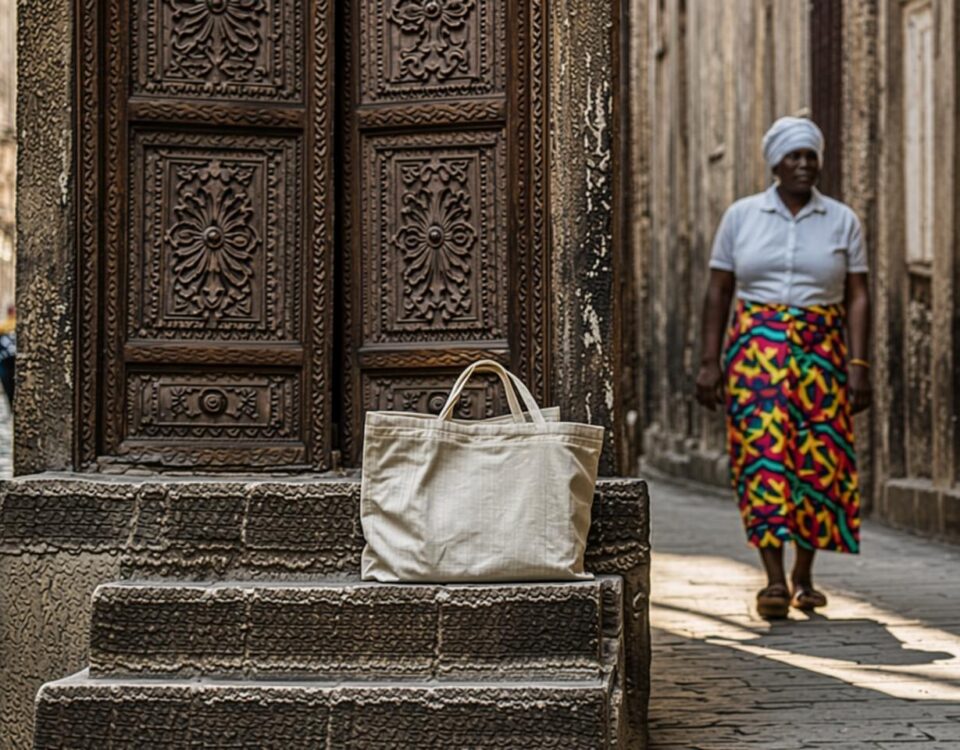
- Zanzibar: The Zanzibar Archipelago (comprising Unguja and Pemba islands) is over 95% Muslim. The historic Stone Town is a labyrinth of mosques and reflects a deep Islamic heritage.
- The Coast: The mainland coast, including the city of Dar es Salaam, also has a significant Muslim population.
Traditional African Religions
A small percentage of Tanzanians practice indigenous animist religions. These traditional belief systems are deeply tied to the land, ancestors, and the spirit world. Often, these practices are syncretized (blended) with Christianity or Islam, where locals might attend church or mosque but also consult traditional healers (Waganga) or honor ancestral spirits during times of crisis or celebration.
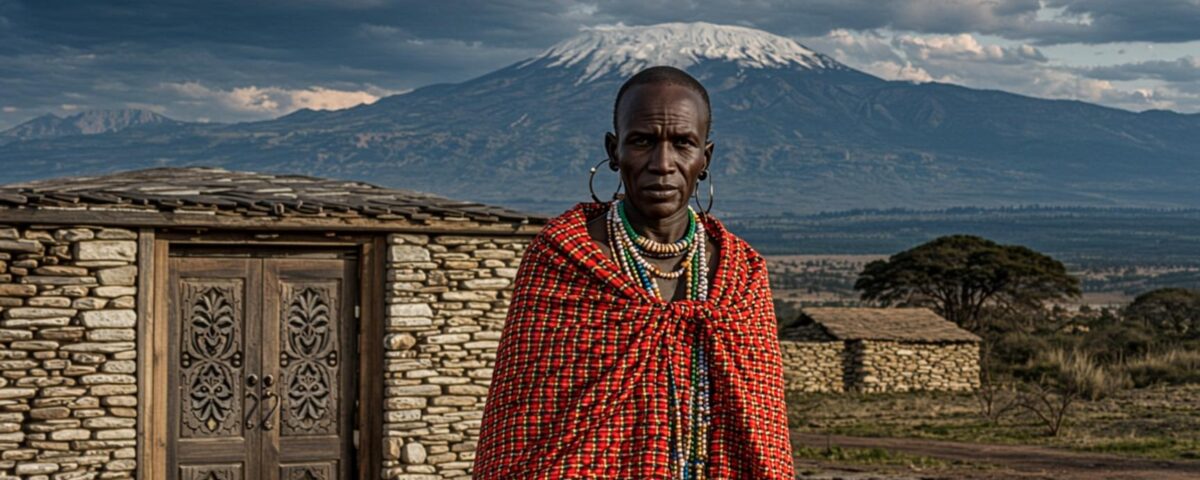
Understanding the cultural and spiritual rhythms of Tanzania is essential. Whether you are respecting the call to prayer in Stone Town or sharing a “Jambo” with a Maasai warrior on the Serengeti, embracing this diversity is the key to an unforgettable Tanzanian journey.