
Staying Connected: Best SIM Cards and Internet Options in South Africa
May 14, 2026
Top Tourist Attractions: Historical and Cultural Sites in South Africa
May 14, 2026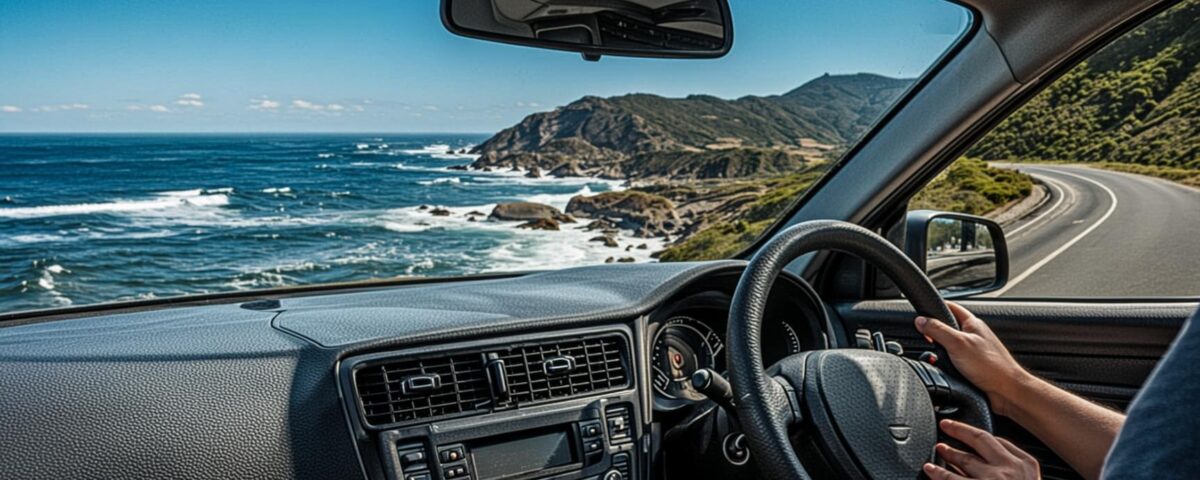
South Africa is a vast country. The distance between Johannesburg and Cape Town is roughly 1,400 kilometers (about 870 miles)—that’s further than the distance from London to Rome! Because of this sheer scale, choosing the right mode of domestic transport is crucial to the success of your trip.
Whether you prefer the speed of flying, the freedom of a road trip, or the budget-friendly nature of a bus, South Africa offers a variety of ways to get around. Here is your comprehensive guide to domestic transport in the Rainbow Nation.
1. Domestic Flights: The Fastest Option
If you have limited time and want to cover vast distances quickly, flying is your best bet. South Africa has a highly competitive and efficient domestic aviation sector.
- Airlines: The state-owned South African Airways (SAA) operates alongside popular low-cost carriers like FlySafair, Kulula, and Lift. FlySafair is particularly known for its punctuality and generous baggage policies.
- Main Routes: The “Golden Triangle” connects Johannesburg (JNB), Cape Town (CPT), and Durban (DUR). Flights between these cities are frequent and relatively affordable if booked in advance.
- Safari Access: If you are heading to Kruger National Park, you can fly into smaller airports like Hoedspruit (HDS) or Kruger Mpumalanga International (MQP), saving you a long drive.
Pro Tip: Book your domestic flights well in advance, especially during the South African summer holidays (December to January), as prices skyrocket.
2. Car Rentals: The Ultimate Freedom
To truly experience the magic of South Africa—the panoramic passes of the Swartberg, the winding roads of the Garden Route, or the hidden coastal towns—renting a car is highly recommended.
- Driving Rules: South Africans drive on the left-hand side of the road. Speed limits are generally 60 km/h in urban areas, 100 km/h on rural roads, and 120 km/h on freeways.
- Toll Roads: Major highways (especially between Johannesburg and Pretoria, and parts of the N1 and N2) are tolled. You can pay with cash or credit card at the booths.
- Safety on the Roads: While main highways are generally safe and well-maintained, it is crucial to be aware of your surroundings. Never leave valuables visible in your car, keep doors locked while driving in cities, and avoid driving at night in rural or township areas due to the risk of poorly lit roads and wandering livestock.
- Fuel: Gas stations are called “Garages.” They are full-service (an attendant fills the tank for you), and it is customary to tip the attendant a few Rand.
3. Long-Distance Buses: The Budget Choice
If you are traveling on a budget and have time to spare, intercity buses are a comfortable and safe option.
- Main Operators: Greyhound and Intercape are the most reputable long-distance bus companies. They offer reclining seats, air conditioning, and onboard restrooms on routes connecting major cities.
- The Baz Bus: A unique option specifically designed for backpackers and solo travelers. The Baz Bus operates a hop-on, hop-off service along popular tourist routes (like the Garden Route and the Wild Coast), dropping passengers directly at hostels and backpacker lodges.
4. Train Travel: Luxury Over Practicality
Train travel in South Africa is unique. While there is a commuter rail system (Metrorail) in major cities, it is generally not recommended for tourists due to safety and reliability concerns.
However, South Africa is home to some of the world’s most famous luxury train journeys:
- The Blue Train: Travels between Pretoria and Cape Town. It is essentially a five-star hotel on wheels, offering ultimate luxury, fine dining, and breathtaking scenery.
- Rovos Rail: Known as the “Pride of Africa,” it offers vintage, old-world luxury journeys across the continent, including routes through South Africa.
- Note: These luxury trains are experiences in themselves and are priced accordingly. They are not standard transport for the average tourist.
5. Urban Transport: Navigating the Cities
Getting around within South African cities requires a bit of caution and local knowledge.
- Ride-Hailing Apps: Uber and Bolt are the absolute best, safest, and most convenient ways to get around Johannesburg, Cape Town, and Durban. They are affordable, and you don’t have to worry about carrying cash or negotiating fares.
- Gautrain (Johannesburg/Pretoria): This is a world-class, high-speed train network connecting OR Tambo Airport to Sandton, Pretoria, and Rosebank. It is safe, clean, and highly recommended for avoiding Johannesburg’s notorious traffic.
- MyCiTi Bus (Cape Town): An efficient bus system with dedicated lanes, great for reaching popular spots like the V&A Waterfront and Camps Bay.
- Minibus Taxis: These are the most common mode of transport for locals. They are cheap and fast, but they operate on unofficial routes, have strict (and sometimes confusing) hand signals for hailing, and are driven notoriously aggressively. Tourists are generally advised to avoid minibus taxis unless traveling with a local guide.
South Africa’s diverse transport options mean you can tailor your travel style to your budget and timeframe. For speed, take to the skies; for scenery, hit the road; and for city exploration, trust the apps.