
Safety and Budget: Essential Travel Tips and Costs for South Africa
May 16, 2026
Navigating Kenya: Major Airports and Arrival Guide
May 17, 2026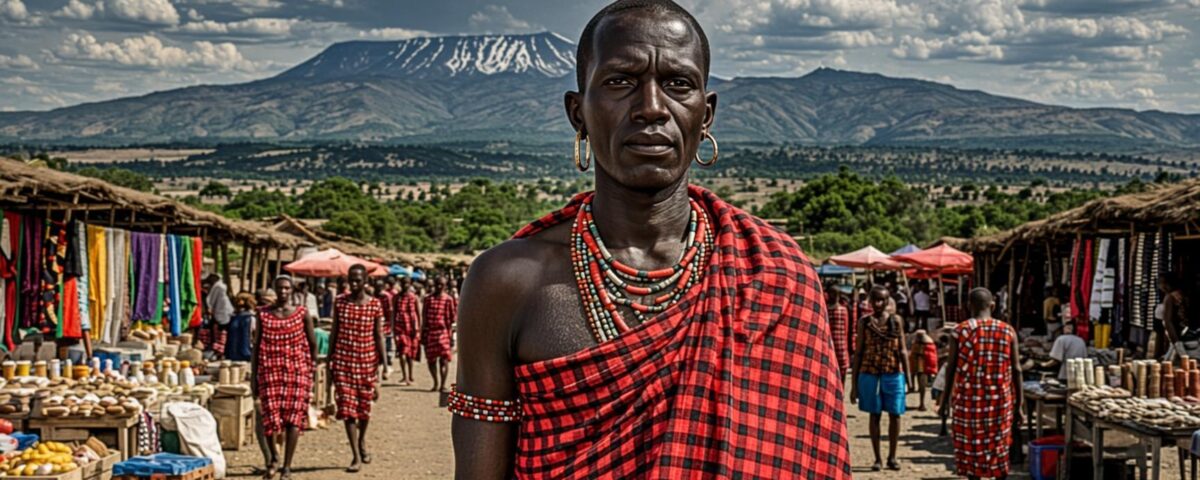
When you close your eyes and imagine the classic African landscape—golden savannas stretching to the horizon, acacia trees silhouetted against fiery sunsets, and vast herds of wildlife thundering across the plains—you are likely picturing Kenya.
Located in East Africa, straddling the equator, Kenya is a country of immense natural beauty and vibrant cultural heritage. From the snow-capped peak of Mount Kenya to the pristine beaches of the Indian Ocean, it offers an adventure like no other. But before you set off on your safari, understanding the country’s cultural and social fabric will deeply enrich your experience.
An Overview of Kenya
Kenya is a land of dramatic contrasts. It borders the Indian Ocean to the southeast, providing stunning tropical coastlines, while the interior rises into the highlands and the Great Rift Valley, which cuts through the country from north to south.
- The Capital: Nairobi is the largest city and the commercial and diplomatic hub of East Africa. It is a bustling, modern metropolis that famously has a national park within its city limits, where you can spot lions with skyscrapers in the background.
- The Coast: Mombasa is the second-largest city and the heart of Kenya’s coastal culture, steeped in Swahili and Arab history.
- The Economy: Kenya is the economic, financial, and transport hub of East Africa, known for its agricultural exports (especially tea and coffee) and its world-leading tourism sector.
Kenya’s landscape is incredibly diverse, featuring arid deserts in the north, lush highlands in the central region, and the famous Masai Mara ecosystem in the southwest. This geographic diversity is mirrored by its people.
The Linguistic Mosaic: Swahili and English
Kenya is a multilingual country with over 60 distinct languages spoken across its various ethnic groups. However, communication for travelers is remarkably easy.
The Official Languages
Kenya has two official languages:
- English: Inherited from the British colonial era, English is widely spoken in business, government, education, and the tourism sector. You will have no problem communicating in English at hotels, restaurants, and with tour guides.
- Swahili (Kiswahili): The national language and the true lingua franca of East Africa. Swahili originated as a trade language combining Bantu dialects with Arabic influences along the coast. It unites the country’s diverse ethnic groups.
The Power of a Few Swahili Words
While you can easily get by with English, making the effort to speak a few words of Swahili will instantly win you respect and warm smiles from the locals. Here are a few essentials every traveler should know:
- Jambo! – Hello!
- Habari? – How are you? (Literally: What is the news?)
- Asante – Thank you.
- Karibu – Welcome (you will hear this everywhere!).
- Hakuna Matata – No worries (yes, popularized by The Lion King, but genuinely used here!).
- Pole Pole – Slowly, slowly (a common phrase reflecting the relaxed African pace of life).
Indigenous Languages
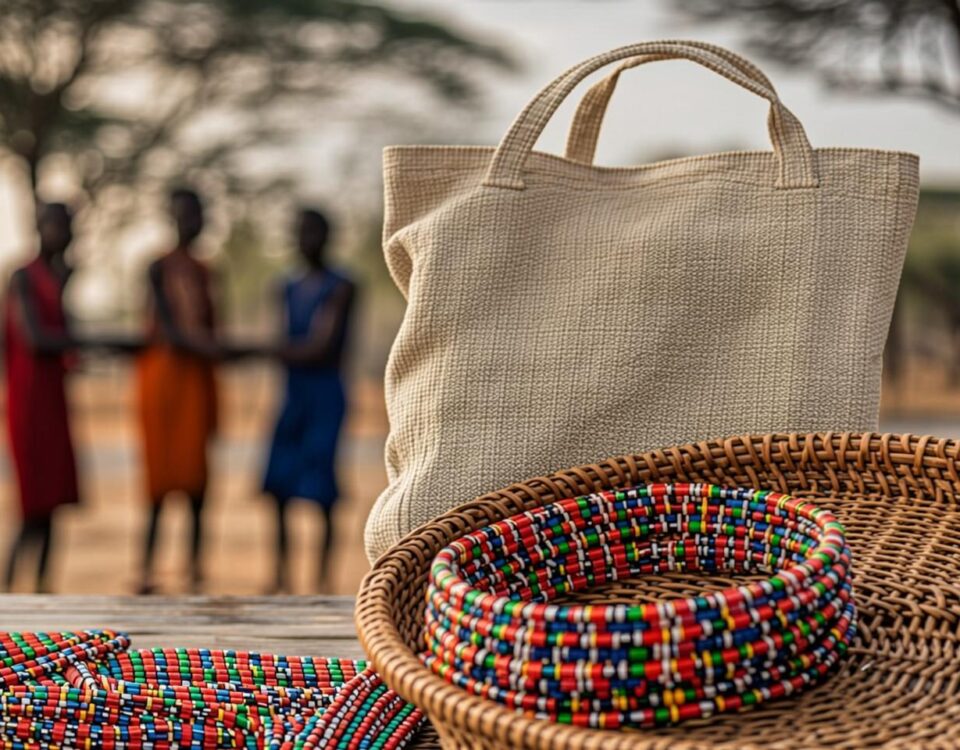
Beyond English and Swahili, Kenyans usually speak their mother tongue, which belongs to one of the major ethnic groups, such as Kikuyu, Luhya, Luo, Kalenjin, or Maasai. The Maasai, famous for their bright red shukas (blankets) and beadwork, are particularly iconic, though they make up only a small percentage of the population.
The Religious Landscape
Kenya is a predominantly religious country, and faith plays a significant role in daily life and culture. The constitution guarantees freedom of religion, and there is a generally high level of tolerance among the different faiths.
Christianity: The Majority Faith
Approximately 85% of Kenyans identify as Christian, making it the dominant religion. This is largely a result of missionary work during the British colonial period.
- Protestantism: The largest segment, with various Anglican, Presbyterian, and Evangelical churches.
- Catholicism: The Roman Catholic Church has a massive following and runs many schools and hospitals across the country.
- African Instituted Churches: These are churches that blend traditional Christian beliefs with African cultural practices, creating vibrant, energetic, and deeply local expressions of faith.
Islam: The Coastal Heritage
Islam is the second-largest religion in Kenya, practiced by roughly 10-11% of the population. Its presence is strongest along the Indian Ocean coastline (in cities like Mombasa, Malindi, and Lamu) and in the North Eastern Province. This is due to centuries of trade and intermarriage with Arab and Persian merchants who sailed across the Indian Ocean long before the Europeans arrived. The coastal architecture, food, and culture in these areas are deeply influenced by Islamic traditions.
Traditional African Religions and Hinduism
- Traditional Beliefs: A small percentage of Kenyans practice indigenous religions. These beliefs are heavily centered on ancestor veneration, the spirit world, and a deep connection to the land and nature. Often, these traditional practices are syncretized (blended) with Christianity or Islam.
- Asian Religions: There is also a small but historically significant community of Hindus and Sikhs, descendants of laborers brought to Kenya by the British to build the Uganda Railway in the late 19th and early 20th centuries.
Understanding the languages and spiritual heartbeat of Kenya is the key to moving beyond just being a tourist. When you greet a local in Swahili or respect the cultural norms of the coast, you transition from an observer to a welcomed guest in the heart of East Africa.