
Navigating Kenya: Major Airports and Arrival Guide
May 17, 2026
Getting Around: Domestic Transport and Travel Options in Kenya
May 17, 2026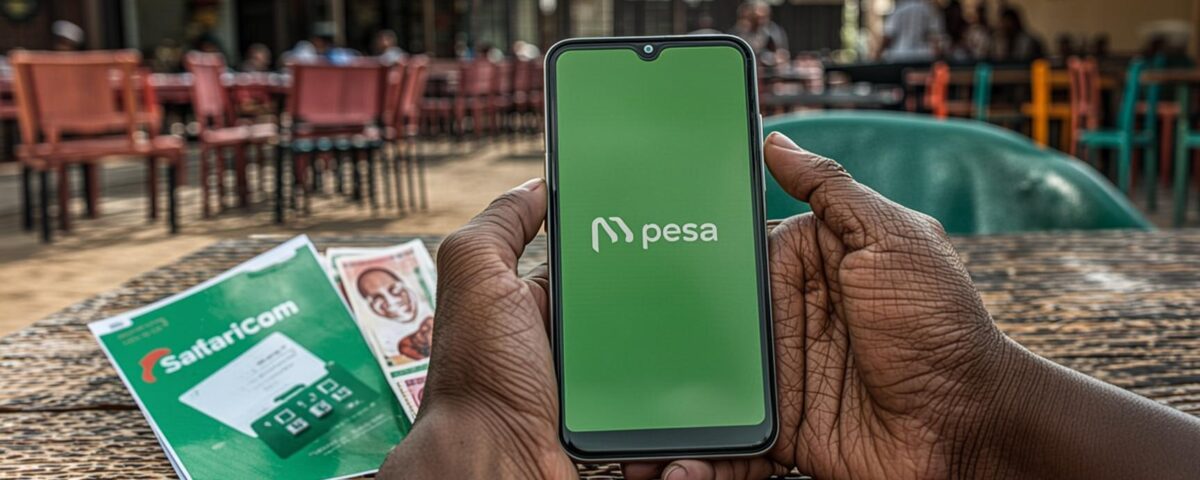
Whether you are navigating the bustling streets of Nairobi, using a ride-hailing app, or sharing your breathtaking safari moments from the Masai Mara, having a reliable internet connection in Kenya is essential.
Fortunately, Kenya is a pioneer in mobile technology in Africa. The country boasts excellent 4G coverage in urban areas and surprisingly good connectivity in many rural and safari destinations. Here is everything you need to know about getting connected in Kenya.
The Major Mobile Networks
Kenya has three primary mobile network operators. Choosing the right one can make a big difference, especially if you are heading out on safari.
1. Safaricom: The Undisputed King
Safaricom is the largest and most popular network in Kenya, and for good reason. It has the most extensive coverage across the country, making it the absolute best choice for travelers going on safari or visiting remote areas.
- Coverage: Excellent in Nairobi, Mombasa, and most national parks (including the Masai Mara, Amboseli, and Tsavo).
- The Perk: Safaricom is the home of M-Pesa, Kenya’s revolutionary mobile money service (more on this below).
- The Downside: It is slightly more expensive than its competitors.
2. Airtel Kenya: The Budget-Friendly Alternative
Airtel is the second-largest provider. It offers very competitive data and voice bundles, often at a fraction of Safaricom’s prices.
- Coverage: Great in major cities, towns, and along major highways.
- The Downside: Coverage drops off significantly in remote safari regions. If you are traveling outside the cities, Airtel might leave you without a signal.
3. Telkom Kenya: The Budget Data Option
Telkom offers the cheapest data packages in the market, making it appealing for heavy internet users.
- Coverage: Mostly limited to Nairobi, Mombasa, and a few other major towns. It is not recommended for travel outside urban centers.
Recommendation for Travelers: Safaricom is the only reliable choice if you want consistent internet access while on safari.
Buying a SIM Card and Registration
Getting a local SIM card in Kenya is easy, but the government requires strict registration to combat fraud.
The Registration Process
By law, you must register your SIM card with your official identification.
- What you need: Your original passport and a photocopy of your passport’s bio page. (Sometimes they also ask to see your visa or eTA printout).
- Where to buy: You can purchase and register a SIM card at the airport (there is a prominent Safaricom shop at Jomo Kenyatta International Airport), at official Safaricom retail stores in shopping malls, or at street-level vendor kiosks. Buying at the airport upon arrival is the most convenient option.
Cost and Data Bundles
A prepaid Safaricom SIM card costs around 50 to 100 KES (less than $1). You then purchase “bundles” (data packages). For example, a 5GB data bundle typically costs around 500 KES ($3.50 USD). You can top up your airtime and buy bundles directly from your phone using scratch cards or via M-Pesa.
The Magic of M-Pesa (Why Safaricom is Essential)
You cannot talk about connectivity in Kenya without mentioning M-Pesa. This is a mobile phone-based money transfer service that has revolutionized the Kenyan economy.
In Kenya, you can pay for almost anything with M-Pesa—from your hotel bill and supermarket groceries to your Uber ride and tips for your safari guide—all directly from your phone.
- How it works for tourists: Once you buy a Safaricom SIM, you can register for M-Pesa. You can then top up your M-Pesa account with cash at any of the thousands of M-Pesa agents (found in every shop and street corner in Kenya).
- M-Pesa App: Safaricom recently launched the M-Pesa Global App, which allows tourists to link their international credit cards (Visa/Mastercard) directly to their M-Pesa wallet, eliminating the need to carry large amounts of cash.
The Modern Alternative: eSIMs
If your smartphone supports eSIM technology, you can skip the physical SIM card altogether.
- Providers like Airalo, Holafly, and Nomad offer eSIM plans for Kenya.
- The Benefit: You can download the eSIM and set it up before you even leave your home country. No paperwork, no passport registration, and no swapping tiny cards.
- The Catch: eSIMs route you through local networks (usually Safaricom or Airtel), but they do not come with a local Kenyan phone number, meaning you cannot use M-Pesa. If you want to use mobile money, you still need a physical Safaricom SIM.
Wi-Fi Availability
- Hotels and Lodges: Most hotels, hostels, and safari lodges offer free Wi-Fi. However, do not expect blazing speeds, especially in remote bush camps where the internet is often beamed in via satellite.
- Cafes: Urban cafes in Nairobi and Mombasa generally have reliable, fast Wi-Fi.
Pro Tip: Even if your hotel has Wi-Fi, always have mobile data as a backup. Power outages and satellite weather disruptions can easily take down lodge Wi-Fi in the middle of the bush.
Staying connected in Kenya is simple, affordable, and highly efficient. By grabbing a Safaricom SIM at the airport and embracing the power of M-Pesa, you will navigate the country like a local.