

Navigating Tanzania: Major Airports and Arrival Guide
May 17, 2026
Getting Around: Domestic Transport and Travel Options in Tanzania
May 18, 2026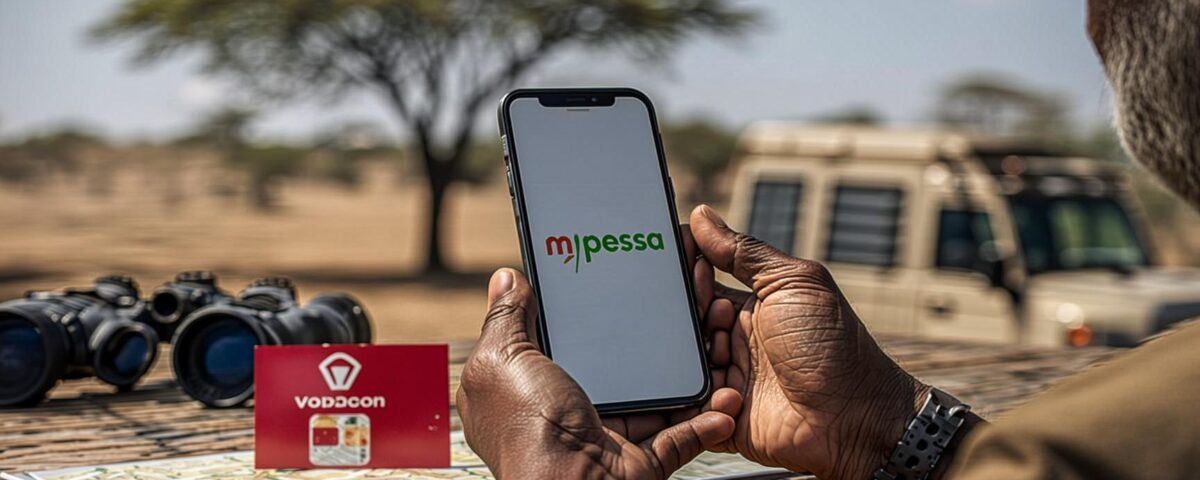
Whether you are navigating the bustling streets of Dar es Salaam, sharing your summit photo from Mount Kilimanjaro, or confirming your sunset dhow cruise in Zanzibar, having a reliable internet connection is vital in Tanzania.
While connectivity in Tanzania has improved massively over the last decade, the reality of African infrastructure means you cannot always rely on public Wi-Fi, especially once you leave the major cities. Buying a local SIM card is the most cost-effective and reliable way to stay online. Here is your complete guide to staying connected in Tanzania.
The Major Mobile Networks
Tanzania has several mobile network operators, but two clearly stand out for tourists due to their coverage and service quality.
1. Vodacom Tanzania: The Safari Standard
Vodacom is the market leader and widely considered the best network for travelers heading into the bush.
- Coverage: It has the most extensive rural coverage in Tanzania, making it the most reliable network in the northern safari circuit (Serengeti, Ngorongoro, Tarangire) and around Mount Kilimanjaro.
- The Perk: Vodacom operates M-Pesa, the dominant mobile money service in Tanzania, which you will need for cashless payments.
2. Airtel Tanzania: The Strong Competitor
Airtel is the second-largest provider and offers stiff competition to Vodacom, often with slightly cheaper data bundles.
- Coverage: Excellent in major cities (Dar es Salaam, Arusha, Mwanza) and along the coast. Its coverage in the southern safari parks is also very good, though it can sometimes drop in the most remote parts of the Serengeti compared to Vodacom.
3. Tigo and Halotel: The Budget Options
These networks offer incredibly cheap data packages but are best avoided by tourists. Their coverage is heavily concentrated in urban areas, and you will likely lose signal entirely once you enter a national park or head to remote islands.
Recommendation for Travelers: Vodacom is the safest bet for comprehensive coverage. If you are staying mostly in cities and Zanzibar, Airtel is also a great choice.
Buying and Registering a SIM Card
The Tanzanian government, through the Tanzania Communications Regulatory Authority (TCRA), has strict rules regarding SIM card registration to combat fraud and cybercrime. You cannot simply buy a SIM card from a street vendor and pop it into your phone; it must be registered.
The Registration Process
- What you need: Your original passport and your entry visa/e-Visa printout. In some cases, they may require a fingerprint scan.
- Where to buy: The easiest and safest place to buy and register a SIM card is at the official network kiosks located inside the arrival halls of Julius Nyerere (DAR), Kilimanjaro (JRO), and Zanzibar (ZNZ) airports. Alternatively, you can visit official brand stores in major shopping malls. Avoid street vendors, as unregistered SIMs will be deactivated within 48 hours.
Cost and Data Bundles
A prepaid SIM card usually costs around 1,000 to 2,000 TZS (less than $1). You then purchase data bundles (often called “Mixx” or “Giga” bundles on Vodacom and Airtel). For example, 10GB of data typically costs around 15,000 TZS ($6 USD), which is more than enough for a week of heavy usage.
The Magic of M-Pesa (Mobile Money)
In Tanzania, cash is king, but M-Pesa is the emperor. Much like in Kenya, M-Pesa is a mobile phone-based money transfer service that has revolutionized the local economy.
- Why you need it: Many local vendors, taxi drivers, small guesthouses, and even park fee collectors prefer M-Pesa over cash or credit cards (which often incur hefty surcharges).
- How it works for tourists: Once you register your Vodacom SIM, you can register for M-Pesa by providing your passport. You can then deposit cash into your M-Pesa wallet at any of the thousands of M-Pesa agents (look for the green Vodacom signs everywhere). You can pay bills by simply entering the vendor’s phone number and a PIN.
The Modern Alternative: eSIMs
If you have a smartphone that supports eSIM technology, you can skip the physical SIM card entirely.
- Providers: Services like Airalo, Holafly, and Nomad offer eSIM plans for Tanzania. They usually route your connection through Vodacom or Airtel networks.
- The Benefit: No paperwork, no passport registration, and you can set it up before you land.
- The Catch: eSIMs do not provide a local Tanzanian phone number, meaning you cannot use M-Pesa or receive local SMS/calls. If you need to make local bookings or use mobile money, a physical Vodacom SIM is still mandatory.
Wi-Fi Availability in Tanzania
- Hotels and Lodges: Most hotels, resorts, and safari lodges advertise free Wi-Fi. However, do not expect blazing speeds. In remote lodges, the internet is often provided via satellite, which can be painfully slow and may only work in the main lobby, not in your tent.
- Cafes: In Dar es Salaam and Arusha, modern cafes offer reliable, fast Wi-Fi.
- The Reality: On Zanzibar’s east coast and in the middle of the Serengeti, Wi-Fi is a luxury. Always assume you will need mobile data.
Pro Tip: Power outages are common in Tanzania, even in upscale lodges. Always carry a high-capacity power bank and ensure your phone is charged before heading out for a day of exploring.
By securing a Vodacom SIM card upon arrival and embracing M-Pesa, you will navigate Tanzania with the confidence and convenience of a local.