
Staying Connected: Best SIM Cards and Internet Options in Tanzania
May 17, 2026
Top Tourist Attractions: Historical and Cultural Sites in Tanzania
May 18, 2026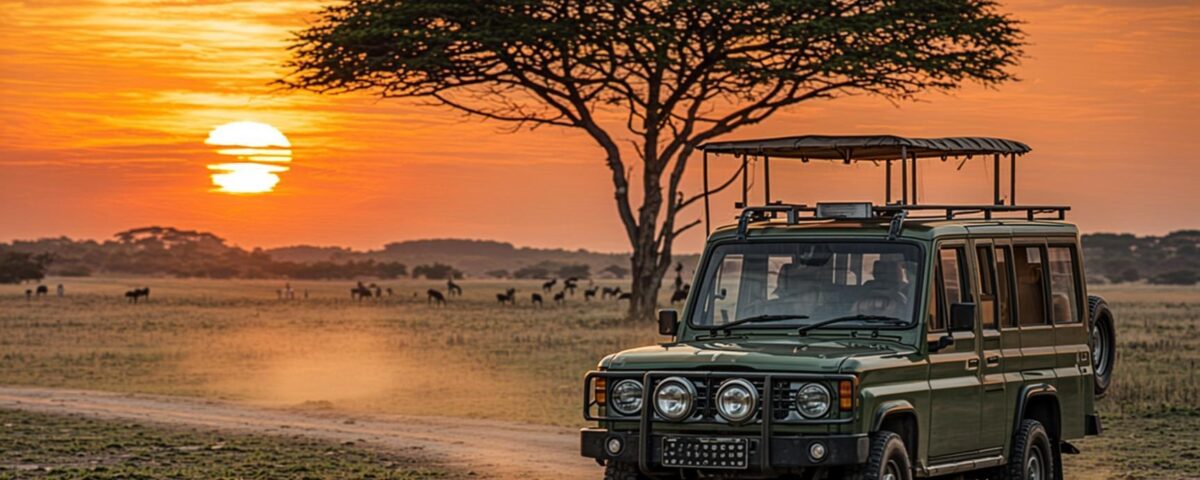
Tanzania is a massive country—nearly twice the size of California or roughly the size of France and Spain combined. Because of this sheer scale, how you choose to get around will dictate the pace and comfort of your trip.
From soaring over the endless plains of the Serengeti in a bush plane to navigating the chaotic, vibrant streets of Dar es Salaam in a tuk-tuk, Tanzania offers a diverse range of transport options. Here is your comprehensive guide to domestic travel in Tanzania.
1. Domestic Flights: The Safari Essential
If you have limited time and want to maximize your hours on safari or on the beach, flying is the only practical way to cover vast distances. Tanzania has an excellent network of small, regional airports and bush airstrips.
- The Airlines: Coastal Aviation, Auric Air, and Precision Air are the leading domestic carriers. They operate small propeller planes (ranging from 12 to 50 seats) that connect major hubs to remote destinations.
- The Routes: Frequent flights connect Dar es Salaam, Zanzibar, and Arusha to the Serengeti, Lake Manyara, Selous, and Ruaha.
- The Experience: Flying low over the Great Rift Valley or spotting herds of elephants from your window as you descend onto a dusty bush airstrip is one of the great thrills of an African safari.
- Important Note: Luggage restrictions on small bush planes are extremely strict, usually capped at 15kg (33 lbs) including hand luggage, and soft-sided bags are required as they fit better into the small cargo holds.
2. Ferries: The Zanzibar Gateway
If you are traveling between Dar es Salaam and the island of Zanzibar, the high-speed ferry is the most popular and convenient option.
- The Operators: Azam Marine and Fast Ferries operate modern, high-speed catamarans.
- The Journey: The trip takes about 1.5 to 2 hours. You can choose between VIP class (air-conditioned, comfortable seating, less crowded) and Economy class.
- Seasickness: The Indian Ocean can be rough. If you are prone to seasickness, take medication 30 minutes before departure and opt for a seat in the middle of the vessel where the motion is less severe.
- Tickets: Buy your tickets from the official offices at the ferry terminals. Touts will swarm you outside; ignore them and go straight to the booking window.
3. Long-Distance Buses: The Budget Option
For budget-conscious travelers with plenty of time, long-distance buses connect all major towns and cities on the mainland.
- The Companies: Dar Lux, Kilimanjaro Express, and Royal Coach are reputable operators offering routes between Dar es Salaam, Arusha, Moshi, and Mwanza. They offer “Executive” or “VIP” seats which are more comfortable.
- The Reality: A bus ride from Dar es Salaam to Arusha takes 10 to 12 hours on sometimes bumpy roads. However, it is a great way to see the Tanzanian countryside and interact with locals.
- Safety: Avoid traveling on overnight buses, as road accidents are more common after dark. Also, keep your valuables with you on your lap, not in the overhead compartments, to prevent theft.
4. Trains: Scenic but Unpredictable
Tanzania has two major railway lines, offering a romantic but often slow and unreliable way to travel.
- The Central Line: Runs from Dar es Salaam westward to Kigoma (on Lake Tanganyika) and Mwanza (on Lake Victoria).
- TAZARA: Runs from Dar es Salaam to Kapiri Mposhi in Zambia.
- The Experience: Train travel in Tanzania is an adventure. The routes are stunningly scenic, passing through remote mountains and villages. However, delays of several hours (or even days) are legendary. If you choose to travel by train, treat it as a journey in itself, not a reliable way to keep a schedule.
5. Car Rental and Self-Driving: The Ultimate Challenge
Self-driving in Tanzania is possible, but it requires nerves of steel, off-road driving experience, and a lot of patience.
- Driving Rules: Like Kenya, Tanzanians drive on the left-hand side of the road.
- Road Conditions: Main highways are generally in decent condition. However, roads leading to national parks are almost entirely unpaved, deeply rutted, and can become impassable mud baths during the rainy seasons (April-May and November).
- Police Checkpoints: You will encounter numerous police roadblocks. Always carry your passport, driving license, and car hire documents. Never pay an on-the-spot “fine”; ask for a court summons instead.
- Hire a Driver/Guide: Unless you are a seasoned overlander, hiring a 4×4 with a local driver/guide is highly recommended. They know how to navigate the potholes, handle the police, and, most importantly, find the wildlife on safari.
6. Urban Transport: Navigating the Cities
Getting around Tanzania’s cities is an adventure in itself.
- Daladalas: These are minibuses that operate on set routes within cities. They are extremely cheap, loud, and packed to the brim. While culturally authentic, they are confusing for tourists and prime spots for pickpockets. Tourists are generally advised to avoid them.
- Bajaj (Tuk-Tuks): These three-wheeled vehicles are everywhere in Arusha and Zanzibar. They are great for short trips. Always negotiate and agree on the fare before you get in, as they rarely have meters.
- Boda Bodas (Motorcycle Taxis): The fastest way to beat Dar es Salaam’s horrific traffic, but statistically the most dangerous. If you use one, demand a helmet.
- Ride-Hailing Apps: Uber and Bolt operate in Dar es Salaam and Arusha. They are the safest, most transparent, and easiest way to get around the cities without haggling.
From taking to the skies to crossing the ocean on a catamaran, getting around Tanzania is a core part of the adventure. Choose your transport based on your budget, your time, and your sense of adventure.