
Getting Around: Domestic Transport and Travel Options in Tanzania
May 18, 2026
Natural Wonders: Best Safaris, Beaches, and Landscapes in Tanzania
May 18, 2026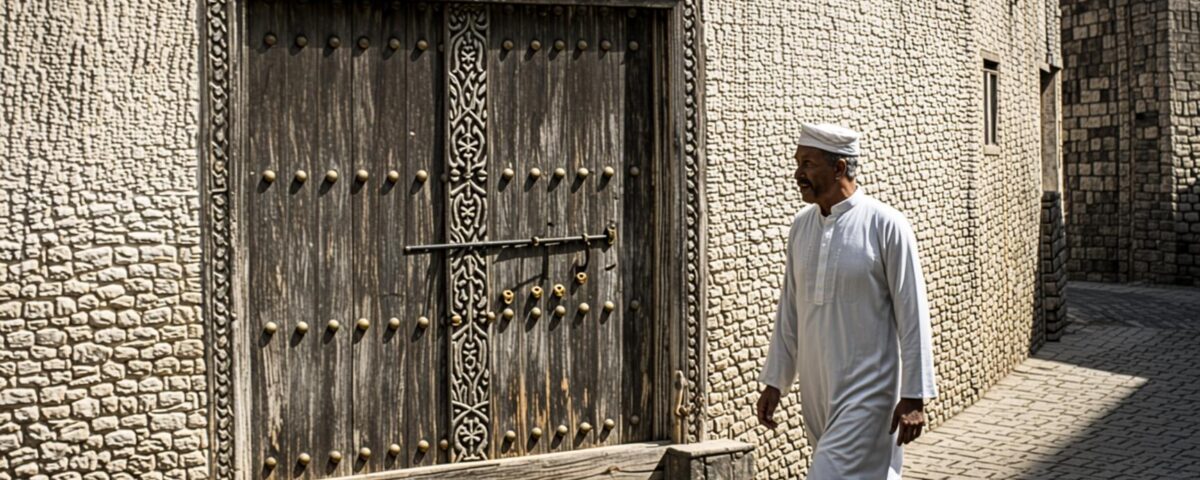
While Tanzania is globally celebrated for its breathtaking wildlife and landscapes, its cultural and historical tapestry is just as profound. This is a land where the earliest human ancestors walked, where ancient Swahili trading ports flourished, and where the dark history of the spice trade meets vibrant indigenous traditions.
To truly understand Tanzania, you must step away from the safari vehicle and walk through its historic streets and ancient ruins. Here are the top historical and cultural sites you must visit.
The Cradle of Mankind: Olduvai Gorge
Often referred to as the “Cradle of Humankind,” Olduvai Gorge is one of the most important paleoanthropological sites on Earth. Located in the Great Rift Valley between the Ngorongoro Crater and the Serengeti, this steep-sided ravine has yielded fossil remains that have fundamentally changed our understanding of human evolution.
- The Experience: In 1959, Mary Leakey discovered the skull of Zinjanthropus boisei (a distant human ancestor) here, dating back 1.75 million years. Today, you can visit the small but fascinating museum perched on the edge of the gorge, view actual excavations, and listen to on-site guides explain the timeline of human existence. It is a humbling reminder of our shared origins.
Zanzibar Stone Town: A Swahili Melting Pot
A UNESCO World Heritage Site, Stone Town is the cultural heart of Zanzibar. It is a living, breathing labyrinth of narrow winding streets, bustling bazaars, and grand buildings that reflect a complex history of African, Arab, Indian, and European influences.
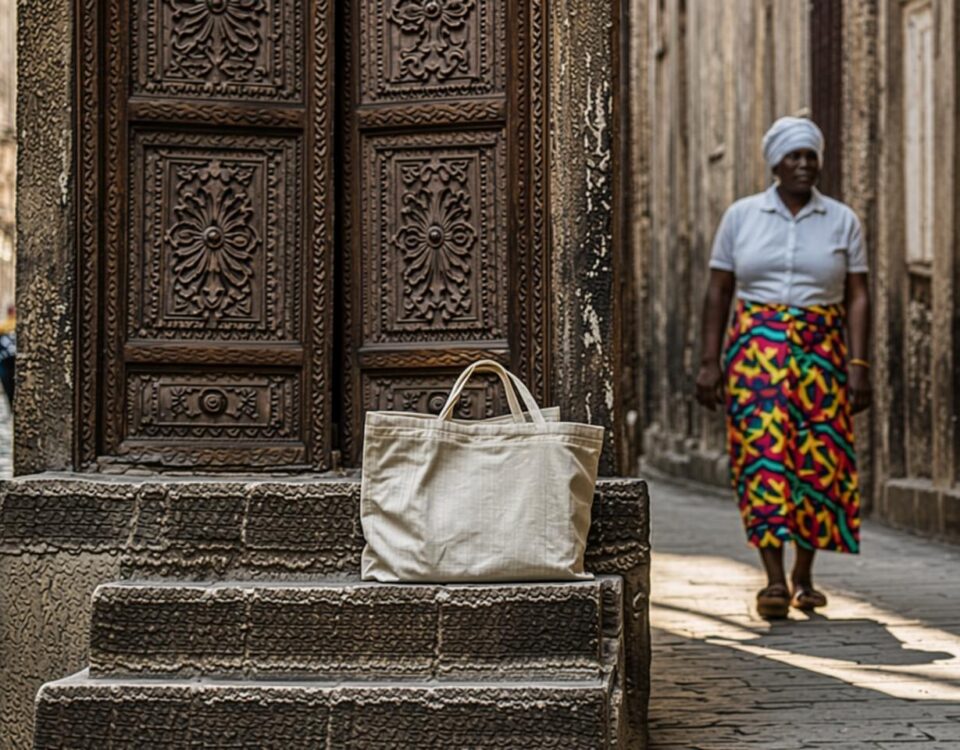
- The Architecture: The town is famous for its intricately carved wooden doors—studded “Indian doors” and ornate “Arab doors”—each telling a story of the wealth and status of the original homeowner.
- The Dark History: Stone Town was a major hub for the East African slave trade. The Anglican Cathedral stands on the site of the old slave market, and you can descend into the chilling underground chambers where enslaved people were held before being auctioned.
- Living Culture: Visit the bustling Darajani Market, where the scent of cloves, cinnamon, and fresh seafood fills the air, offering an authentic slice of daily Swahili life.
Bagamoyo: The Lay Down Your Heart Town
Located just 70 kilometers north of Dar es Salaam, Bagamoyo is a quiet coastal town with a tragic past. The name “Bagamoyo” translates to “Lay down your heart” in Swahili, reflecting the despair of enslaved people who were brought here from the interior, knowing they would never see their homes again before being shipped to Zanzibar.
- The Experience: Today, Bagamoyo is a center for traditional arts and dance. You can visit the Kaole Ruins (the remains of a 13th-century mosque and tombs), the old slave port, and the first Catholic mission in East Africa, which holds fascinating historical artifacts.
Kilwa Kisiwani: The Medieval Gold Trade
For those willing to venture off the beaten path, the Kilwa Kisiwani ruins are a hidden gem and a UNESCO World Heritage Site. Located on a small island off the southern coast, Kilwa was once a thriving medieval Swahili city-state and one of the wealthiest on the East African coast.
- The Experience: From the 13th to the 15th century, Kilwa controlled the gold trade from the interior of Africa to India and the Middle East. You can take a local dhow to the island and explore the impressive ruins of the Great Mosque (which once had a vaulted dome, the largest in East Africa), the Husuni Kubwa Palace, and the Gereza Fort built by the Portuguese. The coral-stone architecture against the turquoise ocean is stunning.
The Kondoa Rock-Art Sites
Hidden in the hills of central Tanzania, the Kondoa Rock-Art Sites comprise over 150 shelters decorated with ancient paintings. These artworks were created by the hunter-gatherer communities who inhabited the area for thousands of years.
- The Experience: The paintings depict elongated human figures, animals (especially giraffes and elephants), and abstract symbols. Some of the art is believed to be associated with rain-making rituals and shamanistic practices. Visiting Kondoa requires a bit of a trek, but it offers an intimate look at the spiritual life of early Africans, far away from the typical tourist trail.
Living Culture: The Maasai and the Iraqw
History in Tanzania is not only found in ruins; it lives in the people.
- The Maasai: The semi-nomadic Maasai people live in the northern safari regions (Ngorongoro and Serengeti). While many village visits are commercialized, spending time with a Maasai community offers a window into a culture that has stubbornly and proudly maintained its traditions despite modern pressures.
- The Iraqw: Living in the highlands around Karatu (on the edge of the Ngorongoro Crater), the Iraqw people are known for their unique, terraced agricultural systems and subterranean homes. Visiting an Iraqw homestead provides a fascinating contrast to the pastoral Maasai culture.
Exploring Tanzania’s historical and cultural sites takes you beyond the “Big Five” and introduces you to the deep, resilient, and diverse spirit of the people who have shaped this land for millennia.